
What's Happening?
Iran's Foreign Minister Abbas Araghchi stated that while Iran does not desire war with Israel or the United States, it is prepared to defend itself if attacked. Speaking in Beirut, Araghchi emphasized
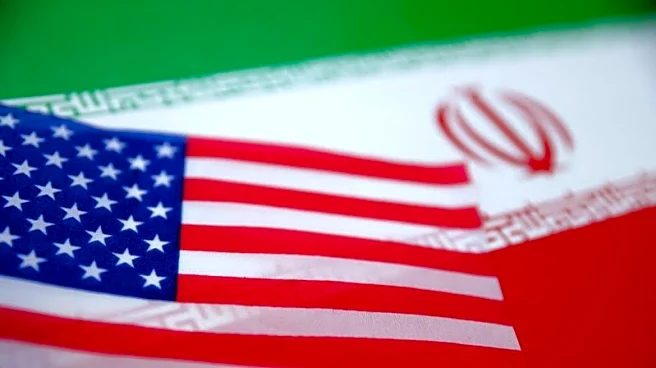
Iran's readiness for negotiations with the U.S. over its nuclear program, provided the talks are based on mutual respect. The comments come amid heightened tensions following U.S. and Israeli military actions against Iran's nuclear facilities. The U.S. has reimposed a 'maximum pressure' campaign on Iran, aiming to block its nuclear weapon development. Araghchi's visit to Lebanon included discussions on regional and international affairs, highlighting Iran's desire for comprehensive relations with Lebanon.
Why It's Important?
The statements by Iran's foreign minister underscore the ongoing geopolitical tensions in the Middle East, particularly concerning Iran's nuclear ambitions and its relations with the U.S. and Israel. The potential for military conflict remains a significant concern, with implications for regional stability and global security. Iran's readiness for negotiations suggests a possible diplomatic path forward, but mutual distrust and previous conflicts complicate the situation. The outcome of these tensions could impact international relations, energy markets, and security dynamics in the region.
What's Next?
The international community will closely monitor Iran's actions and statements, as well as the responses from the U.S. and Israel. Diplomatic efforts may intensify to prevent further escalation, with potential involvement from other global powers. The situation could influence future negotiations on Iran's nuclear program and broader Middle Eastern geopolitics. The possibility of renewed military conflict remains, depending on the actions of the involved parties.