




What's Happening?
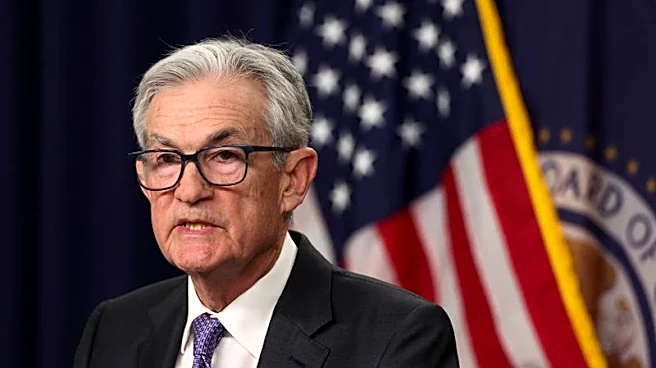
A U.S. federal judge has reaffirmed a decision to dismiss subpoenas issued by the Trump administration against Federal Reserve Chair Jerome Powell. The subpoenas were part of an investigation into Powell's conduct, particularly concerning cost overruns
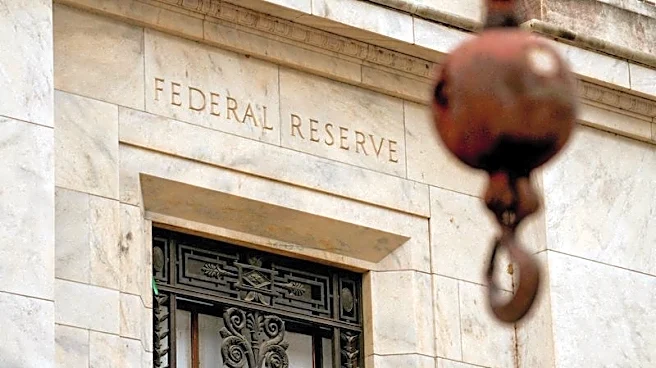
in the renovation of the Federal Reserve's buildings. Judge James Boasberg ruled that the subpoenas were issued for an improper purpose, intended to pressure Powell into aligning with President Trump's interest rate policies. The Justice Department's argument that evidence of a crime was unnecessary for the subpoenas was rejected, as the court found no substantial evidence of wrongdoing by Powell.
Why It's Important?
This ruling highlights the ongoing conflict between the Trump administration and the Federal Reserve, emphasizing the importance of the central bank's independence from political influence. The decision is crucial for maintaining the integrity of U.S. monetary policy, as any perceived political interference could destabilize financial markets and affect economic stability. The case also has implications for the administration's attempts to replace Powell with a more compliant chair, potentially impacting future interest rate decisions and economic policy.
What's Next?
The Trump administration is expected to appeal the ruling, which could lead to further legal proceedings in the U.S. Court of Appeals for the D.C. Circuit. This appeal process may delay the confirmation of a new Federal Reserve chair, adding uncertainty to the leadership of the central bank. The ongoing legal battle could have broader implications for U.S. economic policy and the independence of the Federal Reserve, affecting both domestic and international economic stakeholders.