




What's Happening?
Nicaragua has recorded 5,342 diagnosed cases of chikungunya since mid-May, with the Ministry of Health reporting 341 new cases in epidemiological week 44. This surge represents the highest figure since the 2015–2016 epidemic. The increase has been consistent,
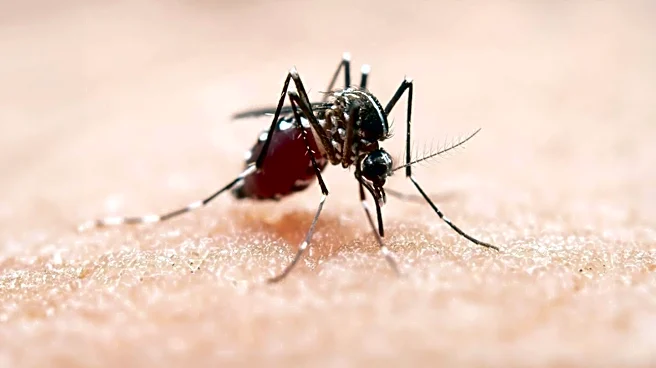
with authorities noting 12 initial infections between May 17 and May 23, and cases steadily rising to surpass 5,000 by the end of October. October alone saw 1,460 diagnoses, making it the month with the highest number of cases during this period. Deputy Minister of Health Carlos José Sáenz Torres has attributed this rise in chikungunya, dengue, and Zika fever cases to the rainy season and climate change. Despite the significant increase in infections, the Ministry of Health has not reported any deaths associated with chikungunya fever nor issued a specific health alert. Their current strategy focuses on intensifying cleanup efforts and eliminating breeding sites for the Aedes aegypti mosquito, which is the vector for chikungunya, dengue, and Zika.
Why It's Important?
The significant increase in chikungunya cases in Nicaragua, explicitly linked to climate change and the rainy season by health officials, highlights a growing public health challenge in the region. This situation underscores how environmental shifts can directly impact disease prevalence and strain healthcare systems. While no deaths have been reported, a large-scale outbreak of a debilitating disease like chikungunya can lead to widespread illness, reduced productivity, and increased demand for medical services, potentially overwhelming local health infrastructure. The focus on mosquito breeding site elimination is a standard public health response, but the underlying climate factors suggest a need for broader, more sustainable strategies to mitigate the long-term health consequences of a changing climate. This scenario serves as a critical example for other nations facing similar environmental vulnerabilities, emphasizing the importance of climate adaptation in public health planning.
What's Next?
In the immediate future, Nicaragua's Ministry of Health is expected to continue its current strategy of intensifying cleanup efforts and eliminating Aedes aegypti mosquito breeding sites. This approach aims to control the vector population and curb further transmission of chikungunya, dengue, and Zika. Given the link to climate change and the rainy season, public health officials will likely monitor weather patterns closely to anticipate future outbreaks and adjust their interventions accordingly. There may be a need for increased public awareness campaigns to educate citizens on preventive measures and early symptom recognition. Should the number of cases continue to rise or if the severity of the disease escalates, the Ministry of Health might consider issuing specific health alerts or implementing more stringent public health measures. The long-term outlook suggests a need for integrated strategies that address both vector control and climate change adaptation to build resilience against future climate-sensitive disease outbreaks.
Beyond the Headlines
The chikungunya outbreak in Nicaragua, explicitly linked to climate change, points to a broader global health crisis where environmental shifts are altering disease epidemiology. This situation highlights the ethical imperative for developed nations to support developing countries in climate change mitigation and adaptation efforts, as the health consequences of climate change disproportionately affect vulnerable populations. Legally, there may be increasing pressure on international bodies and national governments to recognize climate change as a direct driver of health crises, potentially leading to new frameworks for climate-health funding and disaster response. Culturally, communities may need to adapt their daily practices to reduce exposure to vector-borne diseases, which could involve changes in housing, water storage, and outdoor activities. This outbreak serves as a stark reminder that climate change is not just an environmental issue but a fundamental threat to human health and societal stability, demanding a holistic and collaborative global response.