








What's Happening?
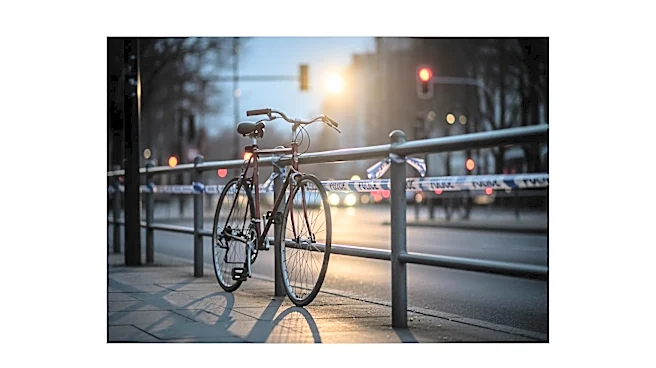
Hundreds of cyclists gathered in Bridgeport, Chicago, to honor Riley O’Neil, a city worker and cycling advocate who was killed in a biking accident. The event included a memorial ride and a 'die-in' protest to demand safer streets for cyclists. O’Neil, who worked
for the Department of Transportation, was instrumental in increasing bike parking in the city. His death has sparked calls for improved cycling infrastructure, particularly on the South Side, where several bike-related fatalities have occurred this year.
Why It's Important?
The death of Riley O’Neil underscores the urgent need for enhanced cycling safety measures in urban areas. As cycling becomes an increasingly popular mode of transportation, cities must address infrastructure gaps to protect cyclists. This incident highlights the broader issue of road safety and the need for comprehensive urban planning that prioritizes all road users. The advocacy for 'Riley Racks' and other safety measures could lead to significant policy changes in Chicago and beyond.
What's Next?
Advocates are likely to continue pushing for the implementation of protected bike lanes and other safety measures in Chicago. The city may face increased pressure to accelerate its efforts in making streets safer for cyclists. Community engagement and collaboration with city officials will be crucial in driving these changes. The ongoing dialogue may also influence other cities to reevaluate their cycling infrastructure and safety protocols.