






What's Happening?
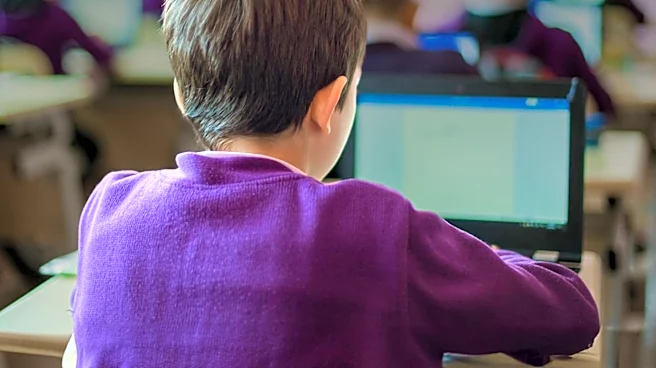
Modern classrooms, particularly in higher education, are increasingly becoming significant cybersecurity attack surfaces due to the integration of advanced technology like interactive displays, AI tools, and networked audiovisual equipment. These environments,
once primarily focused on teaching, now function as complex networks with numerous endpoints, including cameras, speakers, and interactive panels, all connected to institutional networks. The convenience of systems where faculty can use their ID cards to access buildings and log into AV systems also introduces access control challenges. The rise of AI tools further complicates security, as institutions must ensure their networks can handle increased traffic and that student data handled by these tools remains secure and compliant with regulations like the Family Educational Rights and Privacy Act (FERPA). A Sophos survey indicates that exploited vulnerabilities are the leading cause of ransomware attacks in higher education, accounting for 35% of incidents, with unknown security gaps perceived as the root cause in 49% of cases.
Why It's Important?
The growing cybersecurity vulnerabilities in modern classrooms have significant implications for U.S. educational institutions, impacting data privacy, operational continuity, and institutional reputation. The integration of AI and interactive technologies, while enhancing learning, simultaneously expands the potential attack surface for cyber threats. This necessitates a shift in how IT leaders approach classroom modernization, moving beyond mere technological upgrades to prioritize security and compliance. Institutions face the challenge of balancing technological advancement with robust security measures, especially given the sensitive nature of student data and the potential for ransomware attacks to disrupt academic operations. The financial and reputational costs of a data breach or system compromise can be substantial, affecting student trust, enrollment, and funding opportunities. Therefore, cybersecurity is no longer just an IT concern but a critical strategic imperative for maintaining the integrity and functionality of modern educational environments.
What's Next?
Educational institutions are expected to increasingly integrate cybersecurity considerations into their classroom modernization initiatives. This will involve a more holistic approach to digital safety, treating every networked device in a classroom as a potential security endpoint. Campuses will likely focus on implementing stronger access control measures, continuous monitoring of network traffic, and robust data protection protocols to safeguard student information and institutional assets. The emphasis will be on proactive security strategies, including regular vulnerability assessments and employee training on cybersecurity best practices. Furthermore, institutions may leverage their security investments as an advantage, demonstrating a commitment to protecting data and ensuring a safe learning environment, which can enhance their reputation and attract students. The ongoing evolution of AI and other technologies will require continuous adaptation of security frameworks to address emerging threats and maintain compliance with evolving regulations.
Beyond the Headlines
The transformation of classrooms into sophisticated technological hubs raises deeper ethical and legal questions beyond immediate cybersecurity concerns. The extensive data collection facilitated by interactive systems and AI tools, even if anonymized, could lead to unforeseen privacy implications or potential misuse. The reliance on technology also creates a digital divide, where institutions with fewer resources may struggle to implement adequate security measures, leaving their students and data more vulnerable. Moreover, the increasing focus on security could inadvertently stifle innovation if stringent controls become overly restrictive. There's a delicate balance to strike between fostering a technologically advanced learning environment and ensuring the fundamental rights to privacy and security. This shift also highlights the evolving role of IT departments, which are now central to strategic planning and risk management, moving beyond traditional support functions to become integral to the core mission of education.