





What's Happening?
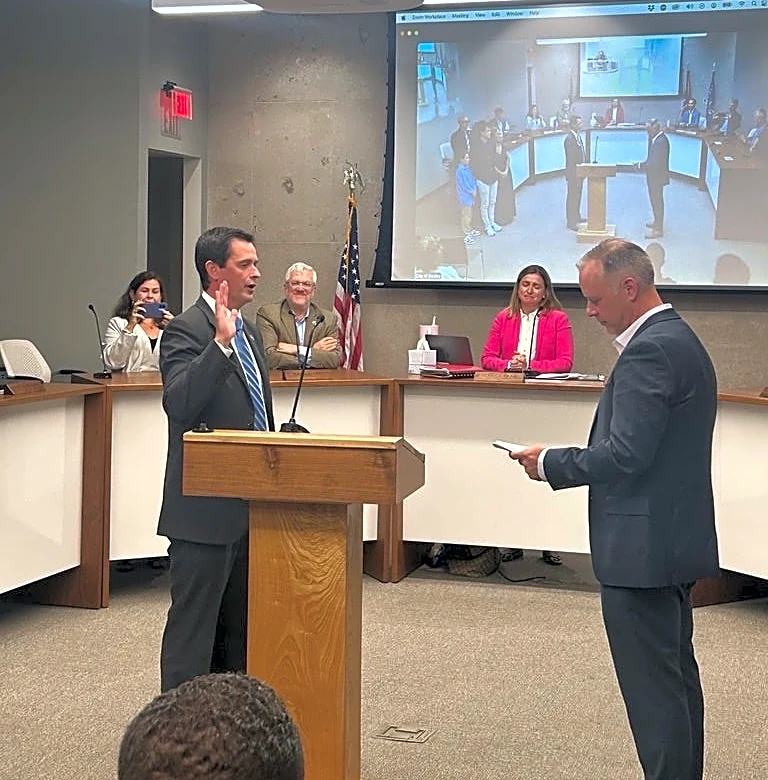
U.S. Representative French Hill (R-AR) joined leaders from Arkansas's Historically Black Colleges and Universities (HBCUs) to announce additional federal funding. This funding, totaling approximately $4 million for Arkansas's four HBCUs, was part of a larger
$174 million allocation from the U.S. Department of Education to HBCUs nationwide. Philander Smith University, one of the institutions, is set to receive $1,139,146 from this one-time allocation. The announcement, made on the Philander Smith campus, included representatives from Arkansas Baptist College, Shorter College, and the University of Arkansas at Pine Bluff. The leaders emphasized the critical role HBCUs play in providing higher education pathways, especially for first-generation students and those with significant financial needs. This federal funding is distinct from the proposed IGNITE HBCU Excellence Act, a bipartisan bill co-sponsored by Representative Hill, which aims to establish competitive grants for long-term infrastructure and facility improvements at HBCUs.
Why It's Important?
This additional federal funding is crucial for strengthening the capacity of Arkansas's HBCUs to serve their students and communities. HBCUs are vital institutions that provide educational opportunities and upward mobility for a significant portion of the U.S. student population, particularly those from underrepresented backgrounds. The funding will enable these institutions to enhance academic programs, upgrade technology, and improve physical infrastructure, all of which are essential for student success. By investing in HBCUs, the federal government supports the development of a more diverse and skilled workforce, contributing to economic growth and social equity across the nation. The continued support for HBCUs also underscores a commitment to addressing historical disparities in educational funding and ensuring that these institutions can continue their mission of providing quality education.
What's Next?
While the announced federal funding is a one-time allocation, the broader effort to support HBCUs continues. The IGNITE HBCU Excellence Act, co-sponsored by Representative Hill, remains a legislative priority. If passed, this bipartisan bill would establish competitive grants for HBCUs to undertake significant renovations, repairs, and construction projects for campus facilities, including classrooms, research laboratories, student housing, and broadband infrastructure. This legislation would provide a more sustained and structured approach to addressing the long-term infrastructure and institutional capacity needs of HBCUs. The ongoing advocacy by lawmakers like Representative Hill and HBCU leaders suggests a continued push for federal investment to ensure the vitality and growth of these critical educational institutions.
Beyond the Headlines
The focus on securing federal funding for HBCUs highlights a deeper societal recognition of their historical significance and ongoing relevance in the U.S. educational landscape. Beyond their academic contributions, HBCUs foster unique cultural environments that support and empower students, often serving as pillars in their communities. The emphasis on strengthening these institutions reflects a commitment to diversity, equity, and inclusion in higher education. The bipartisan nature of initiatives like the IGNITE HBCU Excellence Act also suggests a growing consensus across the political spectrum regarding the importance of these institutions. This sustained support is not just about financial aid; it's about preserving a vital part of American educational heritage and ensuring future generations have access to diverse and high-quality educational opportunities.