


What's Happening?
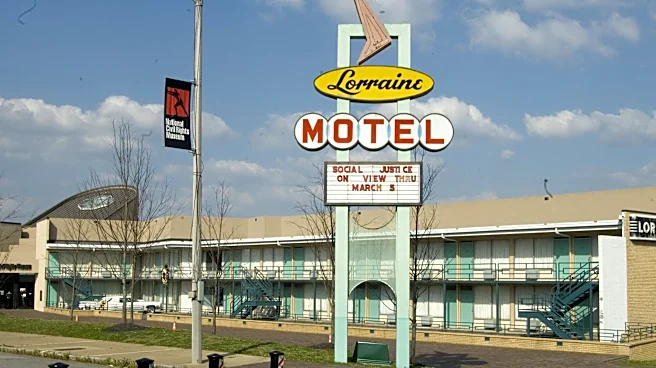
The National Urban League is set to open the Urban Civil Rights Museum in Harlem, New York City, this weekend. This new institution is the first of its kind in New York, dedicated to exploring the civil rights struggles that occurred in the northern United
States. Located within the Urban League's Manhattan headquarters, the museum spans nearly 12,000 square feet, featuring both permanent and rotating exhibits. Jennifer Scott, the museum's founding executive director and chief curator, emphasized that the museum aims to remind visitors of their 'collective power' and the ongoing nature of history. Marc Morial, president and CEO of the Urban League, highlighted the museum's strategic location near significant cultural landmarks like the Apollo Theater and The Schomburg Center for Research in Black Culture. The museum's inaugural exhibits will cover centuries of social justice history, including the trans-Atlantic Slave Trade, the Great Migration, and the modern impacts of the Civil Rights Movement. Organizers note that while many civil rights museums exist, primarily in the South, there has not been a premier institution focused on the northern experience until now.
Why It's Important?
The opening of the Urban Civil Rights Museum in Harlem is significant because it addresses a historical gap in the public's understanding of the Civil Rights Movement. Most museums dedicated to this era are located in Southern states, often overshadowing the unique challenges and contributions made in the North. This museum will provide a crucial platform to showcase the lesser-known histories of institutionalized racism and the efforts of local changemakers and artists in northern urban centers. By focusing on Harlem, an iconic American place, the museum aims to anchor these narratives to a specific, influential location that has shaped global politics and culture. In the current political climate, where there are efforts to sanitize American history, the museum's commitment to presenting civil rights history 'with all of its beauty, and with all of its warts' is particularly vital. It seeks to foster a more complete and nuanced understanding of the nation's past, promoting the idea that history is living and unfinished, and that individuals can still impact it.
What's Next?
The Urban Civil Rights Museum in Harlem will celebrate its grand opening with invited elected officials and other guests this Saturday. Following its opening, the museum plans to actively engage the community through its programming, indicating a dynamic and evolving approach to its mission. Marc Morial, the Urban League's president and CEO, expressed optimism about the museum's future, stating that it is 'not static' and will continuously evolve its exhibitions. This suggests that visitors can expect new and updated content over time, ensuring the museum remains a relevant and engaging educational resource. The museum's leadership also intends to continue uncovering local stories, indicating an ongoing commitment to research and the preservation of forgotten accounts. This continuous evolution and community involvement will be crucial for the museum to fulfill its goal of empowering people to create desired change and ensuring that these important stories are never erased again.
Beyond the Headlines
The establishment of the Urban Civil Rights Museum in Harlem carries deeper implications beyond its immediate educational value. It challenges the prevailing narrative that often centralizes the Civil Rights Movement in the American South, thereby broadening the national understanding of racial injustice and activism. This museum highlights the pervasive nature of institutionalized racism across the entire United States, including its urban centers in the North. By emphasizing the contributions of local changemakers and artists, it democratizes the historical narrative, moving beyond well-known national figures to showcase grassroots efforts. Furthermore, in an era marked by debates over how American history is taught and preserved, this museum serves as a powerful counter-narrative against attempts to sanitize or minimize the struggles for civil rights. It reinforces the importance of confronting uncomfortable truths about the past to foster a more inclusive and equitable future, underscoring that the fight for civil rights is an ongoing process that requires continuous engagement and understanding.