








What's Happening?
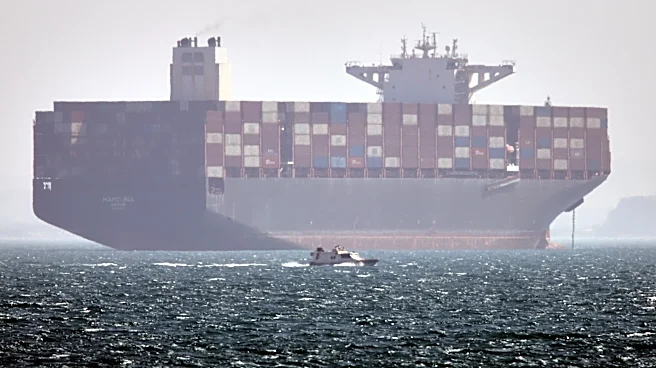
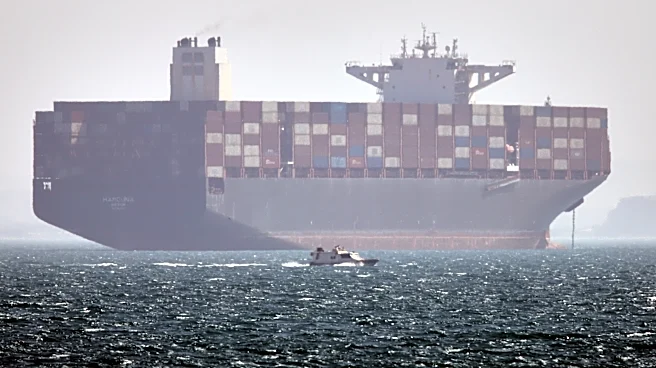
The United States and Iran are reportedly close to finalizing a peace agreement, according to U.S. officials. The proposed deal aims to extend the current ceasefire for an additional 60 days, reopen the strategic Strait of Hormuz, and initiate discussions
on Iran's nuclear program. The agreement, however, still requires the approval of President Trump, who is currently reviewing the details. This development comes amid ongoing tensions and negotiations between the two nations, with the potential to significantly alter the geopolitical landscape in the Middle East.
Why It's Important?
The potential peace deal between the U.S. and Iran holds significant implications for international relations and regional stability. Reopening the Strait of Hormuz, a critical chokepoint for global oil shipments, could alleviate economic pressures and stabilize oil markets. Additionally, the extension of the ceasefire and the initiation of talks on Iran's nuclear program could reduce the risk of military conflict, fostering a more stable environment in the Middle East. This agreement could also impact U.S. foreign policy, as it may shift the focus from military engagement to diplomatic negotiations, influencing the broader geopolitical strategy of the Trump administration.
What's Next?
If President Trump approves the deal, the next steps would involve implementing the ceasefire extension and reopening the Strait of Hormuz. Subsequent negotiations on Iran's nuclear program would likely require careful diplomatic engagement, with potential involvement from other international stakeholders. The response from regional allies and adversaries will be crucial, as their support or opposition could influence the success of the agreement. Additionally, the U.S. administration may face domestic scrutiny over the terms of the deal and its implications for national security.