



What's Happening?
Environmental organizations, led by the Center for Biological Diversity, have filed a lawsuit against the National Marine Fisheries Service (NMFS), a division of the National Oceanic and Atmospheric Administration (NOAA). The lawsuit alleges that NMFS has
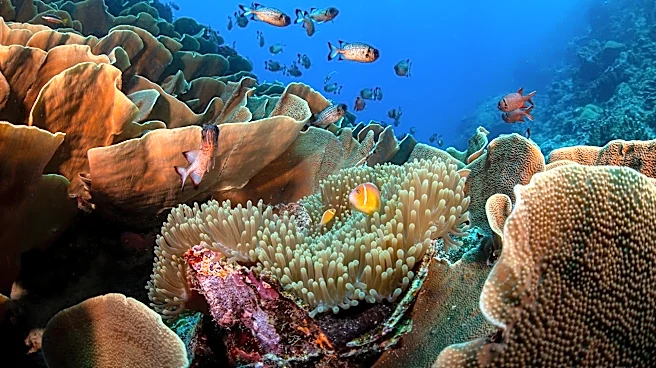
failed to designate critical habitat for the queen conch, a species listed as threatened under the Endangered Species Act (ESA) in February 2024. Under the ESA, the agency is required to designate critical habitat within one year of listing a species. This failure has left significant queen conch populations, particularly near Port Everglades in Florida, vulnerable to development projects. One such project, the Broward County 'Port Everglades inlet sand bypass project' and a related deepening of Port Everglades for larger ships, poses a direct threat to the last healthy staghorn coral reef in the U.S. and the surrounding queen conch habitat. While the Army Corps of Engineers temporarily halted the dredging project, it could resume as early as November, highlighting the urgency of the habitat designation.
Why It's Important?
The legal action against NMFS underscores a critical gap in the enforcement of the Endangered Species Act, potentially jeopardizing the survival of the queen conch and the broader marine ecosystem it inhabits. The queen conch, a culturally significant species for Floridians, particularly in the Florida Keys, plays a vital role as a 'maestro of cleanup' on coral reefs by consuming algae and epiphytes. Its decline could have cascading effects on the health of these delicate underwater environments. The situation also highlights the economic implications of environmental degradation, as the demand for queen conch meat, despite a Florida harvest ban since the mid-1980s, continues to drive overharvesting in other Caribbean nations. The lawsuit aims to compel federal agencies to fulfill their legal obligations, which could set a precedent for how other threatened species are protected and how development projects are scrutinized for their environmental impact.
What's Next?
The lawsuit will proceed, with environmental groups pushing for the National Marine Fisheries Service to immediately designate critical habitat for the queen conch. The temporary halt on the Port Everglades dredging project by the Army Corps of Engineers provides a brief window for further consultation with NMFS to assess and minimize ecological damage. However, the project's potential resumption in November means that a swift resolution to the habitat designation issue is crucial. Stakeholders, including environmental law nonprofits like Earthjustice and local advocacy groups such as Miami Waterkeeper and the Florida Wildlife Federation, will continue to monitor the situation and advocate for stronger protections. The outcome of this legal challenge could influence future infrastructure projects in coastal areas and the broader application of the Endangered Species Act in safeguarding marine biodiversity.
Beyond the Headlines
The struggle to protect the queen conch extends beyond immediate environmental concerns, touching upon cultural identity and the long-term sustainability of coastal communities. For residents of the Florida Keys, being a 'Conch' is a deep-seated cultural identity, making the potential loss of the queen conch a symbolic tragedy. The species' decline, exacerbated by factors like overharvesting, pollution, ocean acidification, and climate change, serves as a stark indicator of broader ecological distress. The challenges faced by NMFS in designating critical habitat, including a stated lack of sufficient data and potential staffing reductions within NOAA, raise questions about the capacity of federal agencies to effectively implement environmental protections. This situation underscores the complex interplay between human activity, environmental policy, and the delicate balance of marine ecosystems, suggesting a need for more robust scientific investment and proactive conservation strategies to prevent further species loss.