







What's Happening?
Duke Energy has launched the PowerPair NC rebates program, offering up to $9,000 in incentives for North Carolina homeowners who install solar panels paired with battery storage systems. This initiative aims to reduce peak load demands on the local electric
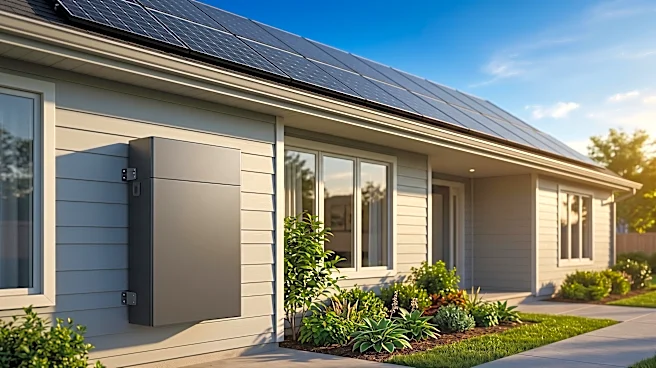
grid, particularly during periods of high consumption like hot summer afternoons and cold winter mornings. The program is administered by Duke Energy Carolinas (DEC) and Duke Energy Progress (DEP) and is designed to enhance grid stability while helping homeowners offset high utility rates. To qualify, solar photovoltaic (PV) systems must meet specific sizing limits, with rebates calculated at $0.36 per watt-DC for solar capacity, capped at 10 kW-DC. Battery storage systems must have a usable capacity of at least 10 kWh, with rebates at $400 per kWh, capped at 13.5 kWh. Homeowners must work with approved solar installers within Duke's Trade Ally Network and ensure their systems are correctly sized and documented to be eligible for the program's lottery-based allocation of funds. This pilot program signifies a strategic shift for North Carolina, aligning it with other states like California and Florida that have integrated net energy metering and battery storage policies.
Why It's Important?
The Duke Energy PowerPair program is significant as it directly addresses two critical challenges in the energy sector: grid stability and renewable energy adoption. By incentivizing battery storage, Duke Energy aims to mitigate strain on the grid during peak demand, which can prevent outages and improve overall reliability. For homeowners, the program makes solar-plus-storage solutions more financially accessible, potentially reducing their electricity bills and increasing energy independence. The ability to stack these rebates with the 30% federal investment tax credit (ITC) can significantly cut installation costs, making renewable energy a more attractive option for a broader demographic. This initiative also fosters the growth of the solar installation industry in North Carolina, creating jobs and stimulating local economies. Furthermore, by encouraging distributed energy resources, the program contributes to a more resilient and decentralized energy infrastructure, reducing reliance on traditional, centralized power generation and transmission systems. This move by Duke Energy could set a precedent for other utilities looking to integrate more renewables and enhance grid resilience.
What's Next?
Homeowners in North Carolina interested in the PowerPair program will need to apply through structured application lottery windows, working with approved solar installers to ensure compliance with Duke Energy's sizing and documentation requirements. The program offers two pathways: Cohort A, where customers retain full control over their battery's charging and discharging, receiving the upfront rebate; and Cohort B, where customers enroll their battery in Duke Energy's demand response network, allowing Duke to manage the battery during high-demand events in exchange for the upfront rebate and additional monthly bill credits. The success of this pilot program will likely influence future energy policies and incentive structures in North Carolina and potentially serve as a model for other states. Duke Energy will monitor the program's impact on grid stability and peak load reduction, which could lead to expansions or modifications of the program in the future. The increased adoption of solar-plus-storage systems is expected to drive further innovation in energy management technologies and services.
Beyond the Headlines
The PowerPair program reflects a broader trend in the U.S. energy landscape towards decentralization and consumer empowerment. By enabling homeowners to generate, store, and potentially share their own electricity, the program shifts some control away from traditional utility monopolies. This move could lead to a more dynamic energy market where individual households play a more active role in energy supply and demand management. Ethically, it raises questions about energy equity, as access to such programs might still be limited by initial investment capacity, even with rebates. However, by reducing upfront costs, Duke Energy is attempting to broaden participation. Legally, the program operates within existing regulatory frameworks but could influence future regulations regarding distributed energy resources and grid integration. Culturally, it promotes a greater awareness of energy consumption and sustainability among the public, encouraging a shift towards more environmentally conscious energy choices. In the long term, widespread adoption of such programs could fundamentally alter the relationship between consumers and utility providers, fostering a more collaborative and resilient energy ecosystem.