



What's Happening?
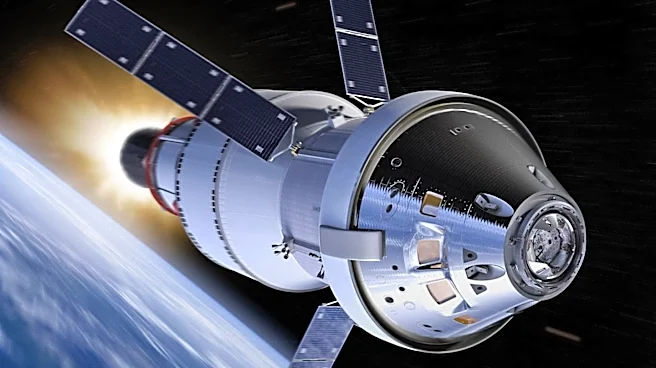
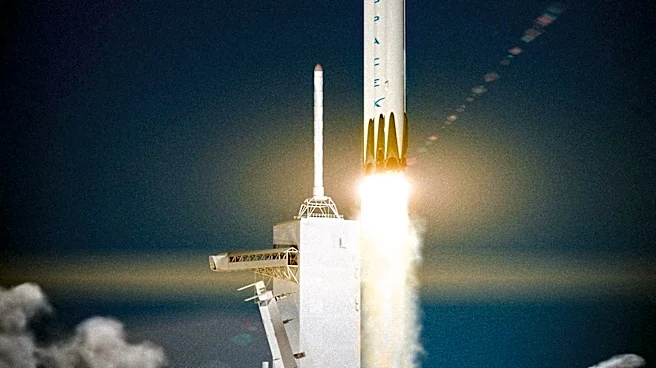
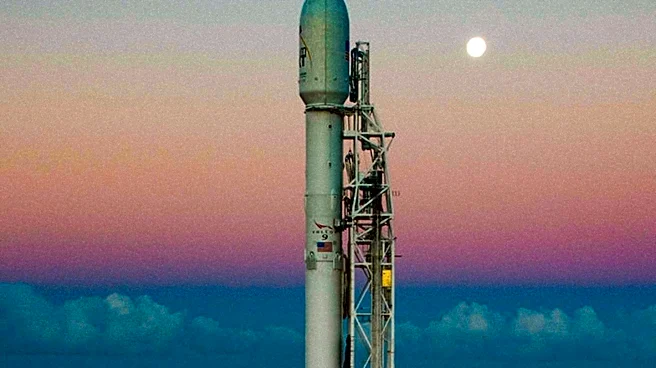
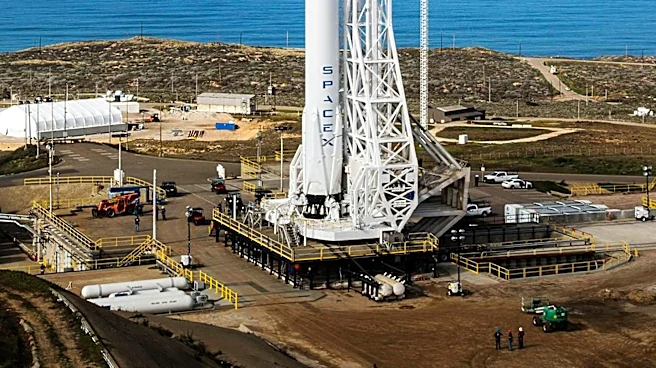
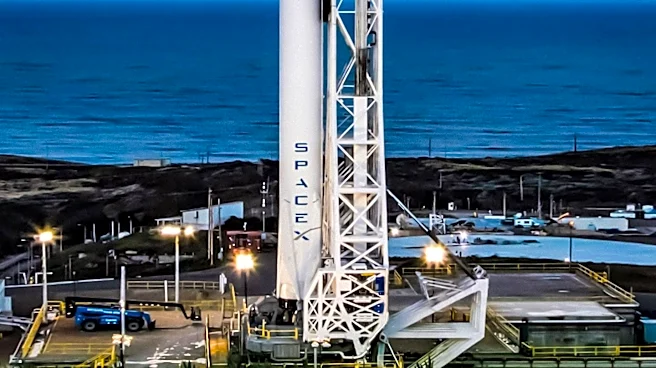
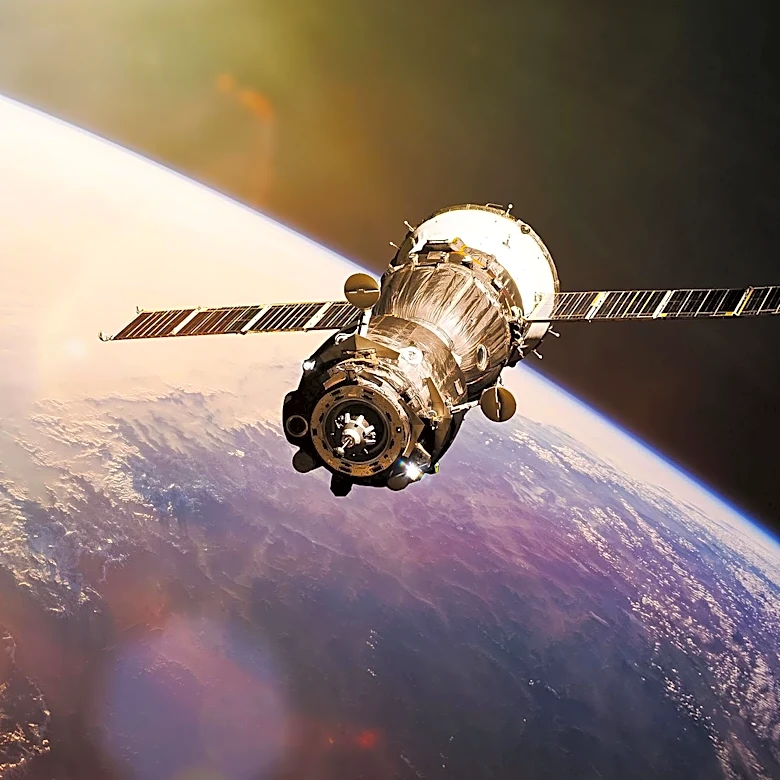
NASA has supported the launch of the Mission Robotic Vehicle (MRV) carrying the Robotic Servicing of Geosynchronous Satellites (RSGS) payload. Launched aboard a SpaceX Falcon 9 rocket, the MRV is en route to geosynchronous orbit to service satellites
using advanced robotics. The RSGS program, funded by DARPA, employs twin robotic arms developed by the U.S. Naval Research Laboratory to inspect and upgrade satellites, extending their operational life. This mission represents a collaboration between government and industry to enhance in-space servicing capabilities.
Why It's Important?
The RSGS mission is crucial for advancing U.S. capabilities in space servicing, assembly, and manufacturing. By extending the lifespan of satellites, the mission can reduce costs and increase the efficiency of space operations. This initiative supports NASA's broader goals of enhancing space commerce and exploration, potentially leading to more sustainable and innovative mission designs. The collaboration between NASA, DARPA, and industry partners exemplifies the importance of joint efforts in advancing space technology.
What's Next?
The MRV will perform its servicing tasks in orbit, with NASA providing dynamic simulation and analysis tools, software verification, and flight robot operators. The success of this mission could pave the way for future in-space servicing missions, potentially leading to the development of new technologies and methodologies for satellite maintenance. The outcomes of this mission will likely influence future policy and investment decisions in the space industry.