



What's Happening?
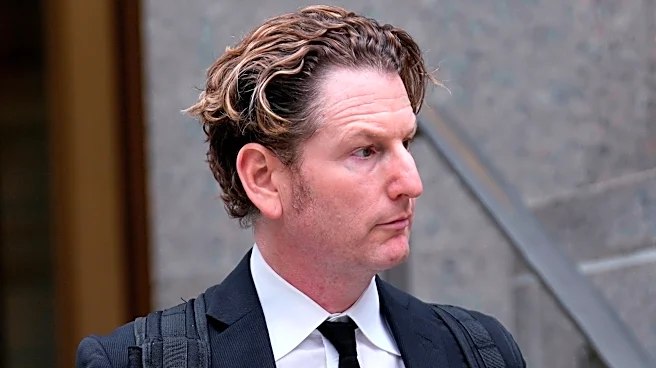
A father and daughter from New Jersey, Erwin Bankowski and Karolina Bankowska, have been charged with orchestrating a $2 million art forgery scheme. They allegedly sold counterfeit artworks, purportedly by famous artists such as Banksy and Warhol, to
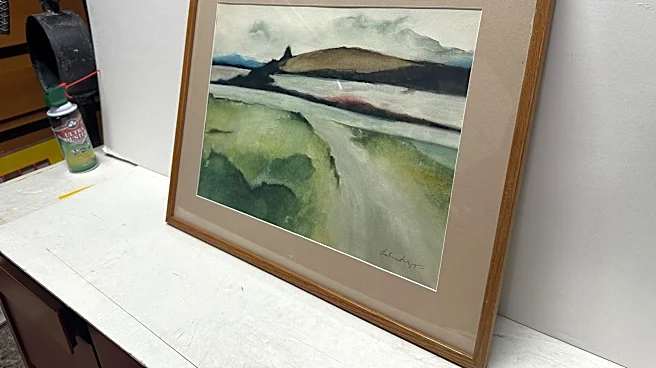
prominent New York City art auction houses. The duo commissioned a Polish artist to create the forgeries, using antique paper and forged stamps to enhance the authenticity of the pieces. The scheme began in 2020 and involved at least 200 fake artworks. The most profitable fake, attributed to artist Richard Mayhew, was sold for $160,000. The duo has pleaded guilty to charges of wire fraud conspiracy and misrepresenting Native American-produced goods. They face potential prison sentences and deportation to Poland.
Why It's Important?
This case highlights the vulnerabilities within the art market, where the authenticity of artworks can be difficult to verify. The scam underscores the need for more rigorous authentication processes to protect buyers and maintain the integrity of the art industry. The involvement of high-profile auction houses in the scam could lead to increased scrutiny and regulatory changes in how art transactions are conducted. The case also raises awareness about the prevalence of art forgery, which can undermine the value and trust in the art market.
What's Next?
The father and daughter face sentencing, which could result in more than three years in prison and $1.9 million in restitution. The art market may see increased efforts to implement stricter authentication measures to prevent similar scams. Auction houses and art dealers might enhance their due diligence processes to avoid being deceived by forgeries. The case could also prompt discussions about international cooperation in tackling art crime, given the cross-border nature of the forgery operation.
Beyond the Headlines
The case sheds light on the ethical and legal challenges in the art world, where the line between genuine and fake can be blurred. It also highlights the cultural impact of art forgery, as it can distort the historical and artistic significance of artworks. The involvement of a Polish artist in creating the forgeries points to the global nature of art crime, necessitating international collaboration to address such issues effectively.