







What's Happening?
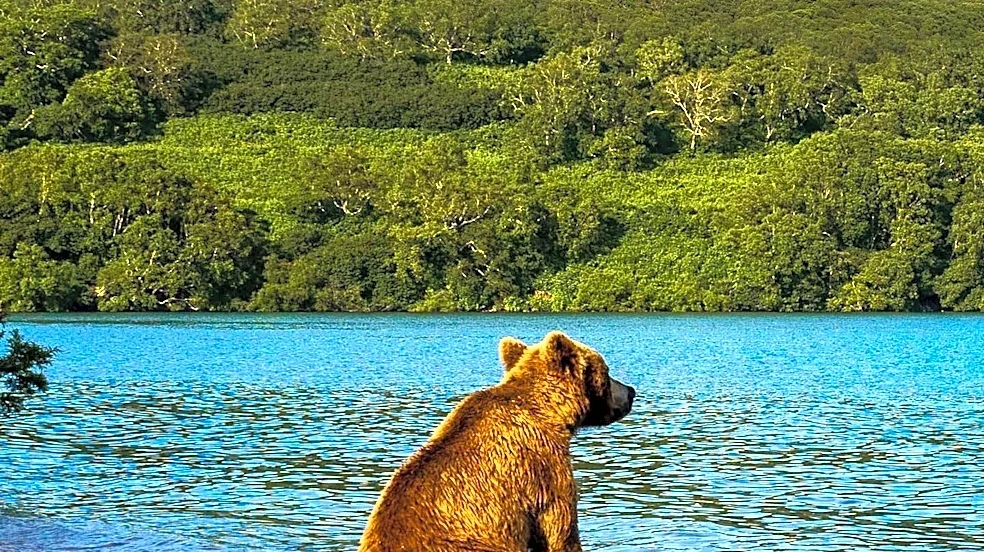
A bear was captured on surveillance footage wandering through the Mammoth Lakes Library in California during the early hours of a Wednesday morning. The 'un-bear-lievable intruder' explored the library's upper floor, which features a carpeted walkway
and numerous books, before human patrons arrived. The Mono County Office of Education humorously suggested the bear might have been searching for a copy of 'Winnie The Pooh,' noting that the incident occurred exactly 100 years after the book's initial publication. Officials have not yet determined how the bear gained entry into the building. The furry visitor exited the library on its own before employees arrived, leaving no indication of whether it checked out any books or found any sweet treats. The Mammoth Lakes branch is part of the Mono County Free Libraries system, which houses over 180,000 physical titles.
Why It's Important?
This incident highlights the increasing frequency of wildlife encounters in residential and public areas, particularly in regions bordering natural habitats. The bear's intrusion into a public library underscores the challenges communities face in managing human-wildlife coexistence. While this particular event was harmless and even humorous, it serves as a reminder of the potential for property damage and public safety concerns when wild animals venture into populated spaces. For local authorities and library management, it prompts a review of security measures and building vulnerabilities to prevent future occurrences. For residents, it reinforces the importance of securing homes and businesses against wildlife, as bears are known to be opportunistic. The event also draws attention to the broader issue of habitat encroachment and how human development can lead to more frequent interactions with wildlife, necessitating adaptive strategies for both public infrastructure and individual properties.
What's Next?
Following this incident, it is likely that the Mammoth Lakes Library and other public institutions in the area will review and potentially enhance their security protocols to prevent future wildlife intrusions. This could include reinforcing entry points, installing animal-proof barriers, or implementing more robust surveillance systems. Local animal control and wildlife agencies may also issue renewed advisories to residents and businesses about securing their premises and managing attractants like food waste. The event could also spark community discussions on how to better coexist with local wildlife, potentially leading to educational campaigns or collaborative efforts between residents and authorities. While the bear left on its own, the mystery of its entry will likely prompt an investigation to identify and rectify any vulnerabilities in the building's structure, ensuring the safety and security of the library's patrons and collections.
Beyond the Headlines
Beyond the immediate amusement and logistical concerns, this incident subtly reflects the ongoing tension between urban expansion and natural ecosystems. As human settlements continue to grow, wildlife habitats are fragmented, pushing animals into closer contact with human infrastructure. This bear's library visit, while unusual, is a symptom of this larger ecological dynamic. It raises questions about how communities can design and maintain public spaces to be both accessible to humans and resilient against wildlife incursions. The humorous public reaction, particularly the 'Winnie The Pooh' reference, also highlights a cultural tendency to anthropomorphize animals, which can sometimes overshadow the serious implications of such encounters. This event serves as a gentle reminder that even in seemingly mundane settings, the wild is never far, and our built environments must increasingly account for its presence.