







What's Happening?
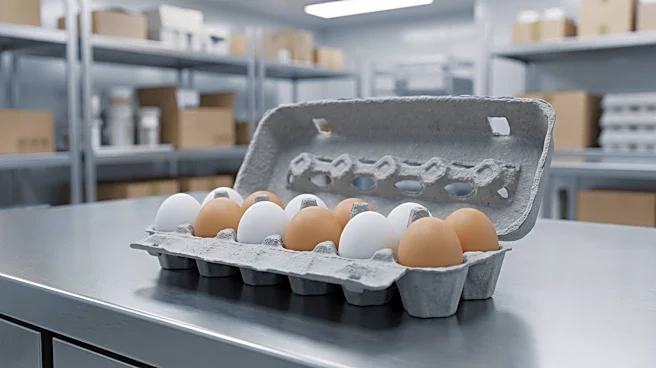
The U.S. Food and Drug Administration (FDA) has upgraded a significant egg recall to a Class I designation, indicating the highest level of risk. This recall involves over 1.5 million dozen white and brown cage-free eggs distributed by Midwest Poultry
Services. The Class I designation signifies that there is a reasonable possibility of serious health consequences or even death from exposure to the contaminated product. So far, at least 98 individuals across 17 states have reported illnesses, with 26 requiring hospitalization. The affected eggs were distributed to retailers and foodservice locations in Louisiana, Texas, Oklahoma, Arkansas, New Mexico, and Mississippi. Brands under which these eggs were sold include Kroger, Brookshire’s, Simple Truth, Country Morning, and Sun Ups, along with other smaller retailers. Consumers can identify recalled eggs by checking the best-by or sell-by dates, which range between July 20 and August 17, and by an identifying code printed on the carton sides. The FDA's website provides a comprehensive list of these specific codes.
Why It's Important?
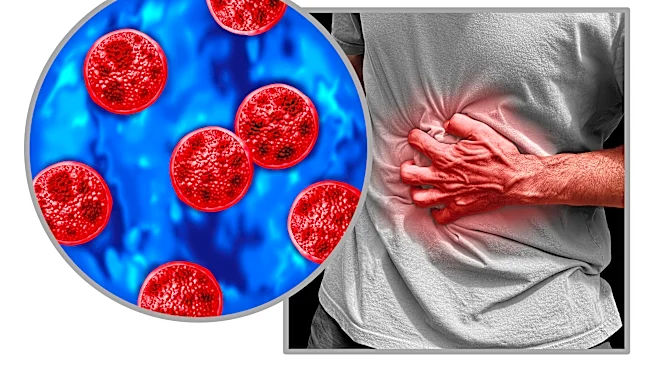
This Class I recall is critically important due to the severe health risks associated with Salmonella contamination, which can lead to fever, diarrhea, and abdominal issues. For vulnerable populations, such as young children, older adults, and individuals with compromised immune systems, Salmonella can cause more serious and potentially fatal illnesses. The widespread distribution across six states and the involvement of major retailers like Kroger highlight the potential for broad public health impact. The FDA's highest-risk classification underscores the urgency for consumers to identify and avoid these products, preventing further illness and hospitalizations. This event also emphasizes the ongoing challenges in food safety within the poultry industry and the critical role of regulatory bodies in protecting public health through timely and stringent recall actions. The economic implications for Midwest Poultry Services and affected retailers could be substantial, including financial losses from returned products, potential lawsuits, and damage to brand reputation.
What's Next?
Consumers in the affected states are advised to check their egg cartons for the specified best-by or sell-by dates and identifying codes. The FDA's website remains the primary resource for the exact codes included in this recall. It is expected that retailers will continue to remove the recalled products from their shelves, and public health officials will monitor for new cases of Salmonella infection linked to these eggs. Midwest Poultry Services will likely face increased scrutiny and may need to implement enhanced safety protocols to prevent future occurrences. Further investigations into the source of the contamination and the company's compliance with food safety regulations are probable. The incident may also prompt a review of existing food safety standards and enforcement mechanisms within the egg production industry to bolster consumer protection.
Beyond the Headlines
Beyond the immediate health concerns, this recall highlights systemic vulnerabilities in the food supply chain, particularly concerning large-scale agricultural operations. The ability of a single contaminated product to sicken nearly a hundred people across multiple states underscores the interconnectedness of modern food distribution. This event could lead to broader discussions about the efficacy of current inspection protocols and the speed at which recalls are initiated and communicated to the public. It also brings to light the ethical responsibilities of food producers to ensure the safety of their products, especially when dealing with high-risk contaminants like Salmonella. The incident may also influence consumer trust in large food brands and potentially shift purchasing habits towards locally sourced or perceived-safer alternatives, impacting the broader agricultural economy and consumer behavior in the long term.