








What's Happening?
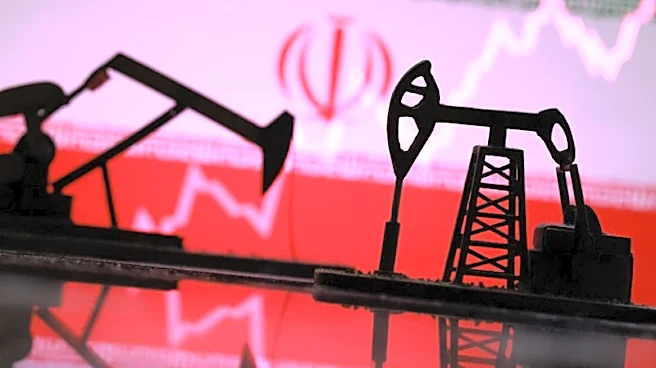
Gas prices in the U.S. have been highly unpredictable this year, with the average cost per gallon fluctuating significantly due to the U.S.-Iran conflict. The conflict has disrupted shipping through the Strait of Hormuz, causing prices to rise and fall
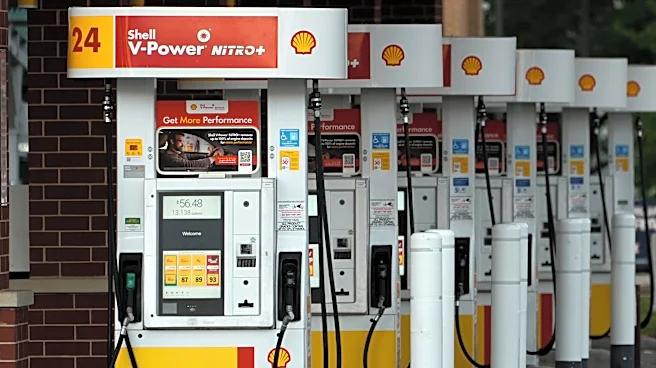
with the ebb and flow of hostilities. As of Thursday, the national average for regular unleaded gas was $3.85 per gallon. The volatility has affected consumer behavior, with drivers adjusting their purchasing habits in response to changing prices. Financial experts advise consumers to budget for higher prices and explore strategies to mitigate the impact on household expenses.
Why It's Important?
The unpredictability of gas prices poses a significant challenge for U.S. consumers, impacting household budgets and economic stability. The situation underscores the broader implications of geopolitical conflicts on global energy markets and consumer behavior. As gas prices remain a critical issue, the need for strategic energy policies and international diplomacy becomes increasingly apparent. The volatility also highlights the importance of consumer education and financial planning in navigating economic uncertainties.
What's Next?
As geopolitical tensions persist, gas prices are likely to remain volatile, requiring consumers and businesses to adapt to fluctuating costs. Policymakers may face increased pressure to address energy security and explore alternative strategies to stabilize markets. The situation presents an opportunity for discussions on energy independence and the transition to renewable energy sources. Consumers are encouraged to adopt fuel-saving habits and explore options for reducing their reliance on gasoline.