




What's Happening?
Residents in Atwater Village, a northeast Los Angeles community, are discussing strategies to prevent future human-coyote encounters after a 16-month-old toddler was bitten by a coyote. The incident occurred on Friday in the 3300 block of Glenhurst Avenue.
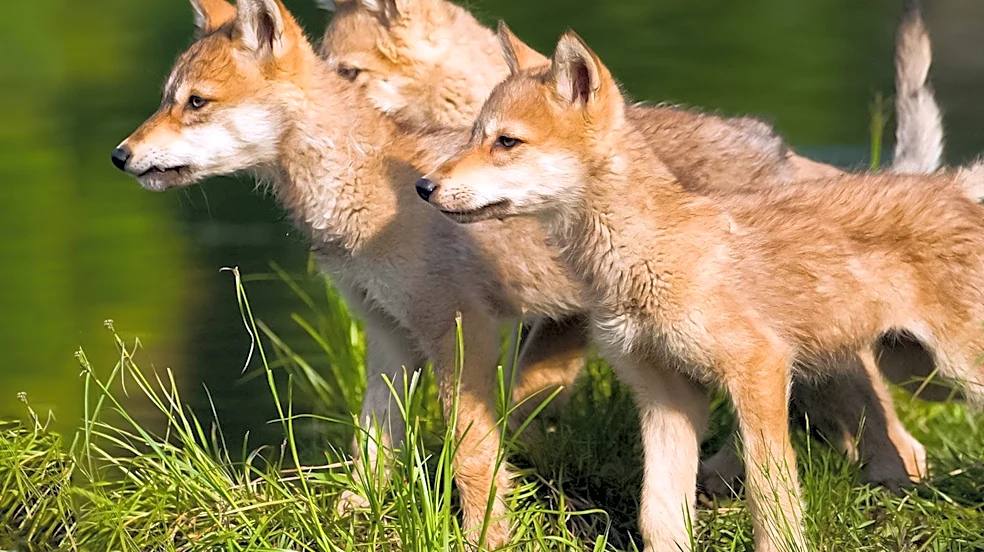
Wildlife officers from the California Department of Fish and Wildlife (CDFW) responded to the scene. The child received hospital treatment and has since been released. Following the incident, a coyote was tracked and killed in the same vicinity, though officials have not yet confirmed if it was the same animal responsible for the bite. Local residents have reported seeing a coyote, nicknamed Wylie, in the neighborhood for several months, with some speculating that people might have been providing it with food and water. A community meeting is scheduled for Tuesday to address these concerns and discuss methods for preventing such interactions while ensuring pet safety, as residents note an increase in coyote sightings.
Why It's Important?
This incident highlights the growing challenges urban communities face in managing wildlife interactions, particularly with adaptable species like coyotes. The presence of coyotes in residential areas poses direct safety risks to humans, especially young children, and pets. The community's response, including the planned meeting, underscores the need for public education on coexisting with wildlife and responsible practices, such as not feeding wild animals, which can lead to habituation and increased boldness. The situation also brings to light the difficult decisions wildlife officials must make regarding animal control when public safety is compromised, often leading to the euthanasia of animals involved in attacks. This event could prompt local authorities to review and potentially revise urban wildlife management policies and public awareness campaigns to mitigate future conflicts.
What's Next?
A community meeting is scheduled for Tuesday in Atwater Village to discuss preventative measures against human-coyote encounters and strategies for keeping pets safe. This meeting will likely involve local residents, potentially wildlife experts, and city officials to formulate a community-wide approach. Discussions may include public education initiatives on coyote behavior, securing food sources, proper waste disposal, and pet supervision. Wildlife officials will continue their investigation to confirm if the euthanized coyote was indeed the one involved in the toddler's biting incident. Depending on the outcome of the community discussions and official recommendations, there could be increased efforts to inform residents about wildlife safety protocols and potentially new local ordinances or guidelines regarding feeding wildlife or managing pet safety in areas with coyote activity.
Beyond the Headlines
The incident in Atwater Village reflects a broader ecological trend of wildlife adapting to and thriving in urban environments, often due to habitat encroachment and readily available food sources. This urbanization of wildlife raises ethical questions about human responsibility in maintaining ecological balance within shared spaces. The community's concern about 'Wylie' suggests a complex relationship between residents and local wildlife, where some individuals may inadvertently contribute to the problem by feeding animals, driven by a desire to coexist or help. This situation underscores the need for a nuanced approach that combines scientific wildlife management with community engagement and education, moving beyond reactive measures to proactive strategies that foster a safer coexistence for both humans and wildlife in increasingly shared habitats.