
What's Happening?
The U.S. Energy Information Administration (EIA) has released a forecast indicating that U.S. power consumption will reach unprecedented levels in 2025 and 2026. The projected power demand is expected
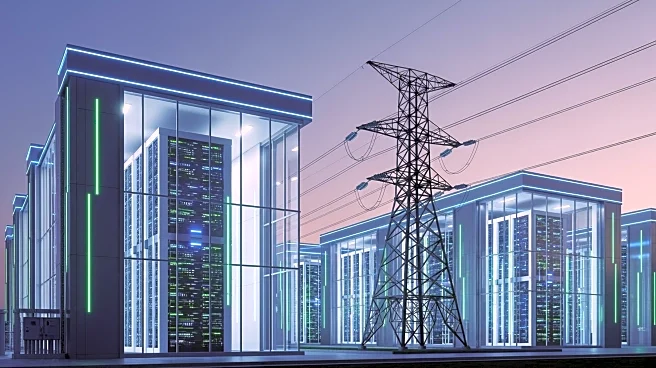
to rise to 4,199 billion kilowatt-hours in 2025 and further to 4,267 billion kWh in 2026, surpassing the 2024 record of 4,110 billion kWh. This increase is largely driven by the growing energy needs of data centers, which support artificial intelligence and cryptocurrency operations, as well as a shift from fossil fuels to electricity for heating and transportation in homes and businesses. The EIA also notes changes in the energy mix, with a decrease in natural gas usage and an increase in renewable energy sources.
Why It's Important?
The anticipated surge in power consumption highlights the growing influence of data centers and the broader shift towards electrification in the U.S. economy. This trend underscores the need for a robust and adaptable energy infrastructure to accommodate increasing demand. The shift towards renewable energy sources is crucial for reducing carbon emissions and achieving sustainability goals. However, the transition also poses challenges, such as ensuring grid stability and managing the economic impacts on industries reliant on traditional energy sources. The changes in energy consumption patterns could have significant implications for energy policy, investment in infrastructure, and the future of energy markets.
What's Next?
As power consumption continues to rise, stakeholders, including policymakers, energy companies, and consumers, will need to address the challenges of meeting increased demand while transitioning to a more sustainable energy system. This may involve investments in grid modernization, energy storage solutions, and policies that encourage energy efficiency and the adoption of renewable energy. The EIA's projections could prompt discussions on regulatory measures to ensure a balanced and equitable energy transition that supports economic growth while minimizing environmental impacts.