
What's Happening?
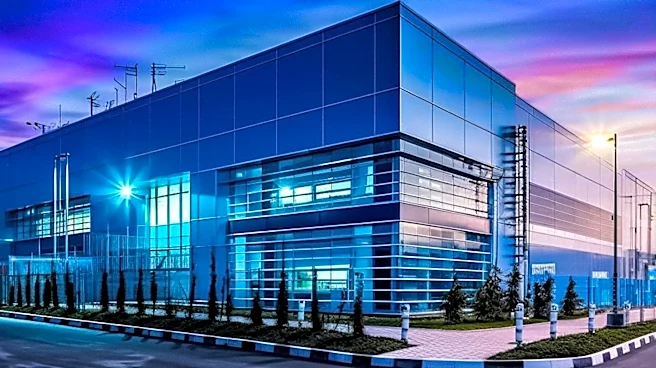
The University of Kentucky's Martin-Gatton College of Agriculture, Food and Environment (CAFE) has officially opened its Meats and Foods Industry Advancement Center. Located at the C. Oran Little Research
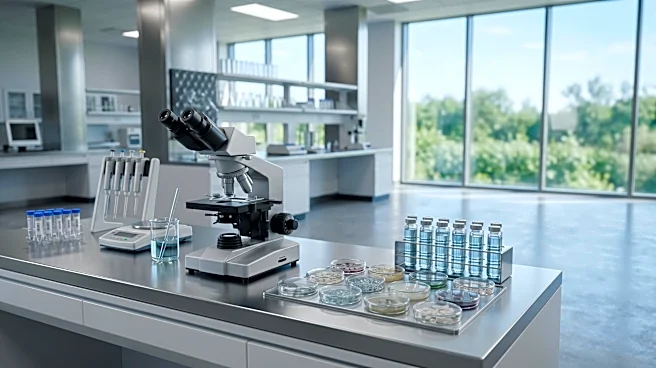
Center in Woodford County, the nearly 30,000-square-foot facility integrates research, teaching, Extension services, and industry support. Its primary goal is to advance meat science, food safety, workforce development, and value-added production within Kentucky's agricultural sector. The center features a 56-seat classroom directly connected to a processing area, providing hands-on learning opportunities for students. Specialized spaces are dedicated to developing products like hams and sausages, and a sensory laboratory will facilitate consumer response evaluation for new products. An on-site market will sell meat products developed at the center and other Kentucky agricultural goods. The facility will operate under U.S. Department of Agriculture inspection for various livestock, enabling businesses to enhance food safety, develop and test new products, train employees, and explore avenues to increase the value of Kentucky-grown agricultural products. This initiative is part of broader capital investments by Martin-Gatton CAFE, including the recent opening of the Martin-Gatton Agricultural Sciences Building and the reopening of Scovell Hall.
Why It's Important?
The opening of the Meats and Foods Industry Advancement Center is a significant development for Kentucky's agricultural economy. By providing state-of-the-art resources for food safety, product development, and workforce training, the center aims to strengthen local producers and processors. This will enable Kentucky businesses to improve their competitiveness, create new value-added products, and meet stringent food safety standards, which are crucial for market access and consumer trust. The integration of research and education with practical industry support will foster innovation and equip the next generation of agricultural leaders with essential skills. This investment is expected to create new opportunities for communities across the Commonwealth, supporting the growth of small businesses and enhancing the overall economic resilience of the state's agricultural sector. The center's USDA inspection capabilities are particularly important, as they ensure that products developed and processed there meet national standards, facilitating broader market penetration for Kentucky's agricultural output.
What's Next?
The Meats and Foods Industry Advancement Center will immediately begin its operations, focusing on supporting Kentucky producers and processors. Future activities will include ongoing research into meat science and food safety, development of new value-added food products, and continuous workforce training programs. The center will also serve as a hub for the college’s Central Region Extension team, directly connecting faculty and specialists with producers and entrepreneurs. Construction continues on the Agricultural Research Building, expected to open next year, which will further expand the University of Kentucky's research capabilities in agriculture. These combined investments are designed to educate future leaders, advance research, and strengthen Kentucky’s agricultural and food industries, ultimately improving lives across all 120 counties of the state. The center's success will likely be measured by its impact on the economic growth of Kentucky's food sector and its ability to foster innovation and job creation.
Beyond the Headlines
This initiative reflects a broader trend in U.S. agriculture towards localized food systems and value-added production, driven by consumer demand for transparency, quality, and regional sourcing. The center's focus on food safety and product development addresses critical challenges faced by smaller producers in competing with larger industrial operations. By providing access to advanced facilities and expertise, the University of Kentucky is helping to level the playing field and empower local businesses. This model of integrating academic research with practical industry application could serve as a blueprint for other states looking to bolster their agricultural economies. Furthermore, the emphasis on workforce development highlights the recognition that a skilled labor force is essential for the long-term sustainability and growth of the food industry, particularly as technology and consumer preferences evolve. The center also underscores the vital role of land-grant universities in addressing real-world challenges and contributing to regional economic development.