






What's Happening?
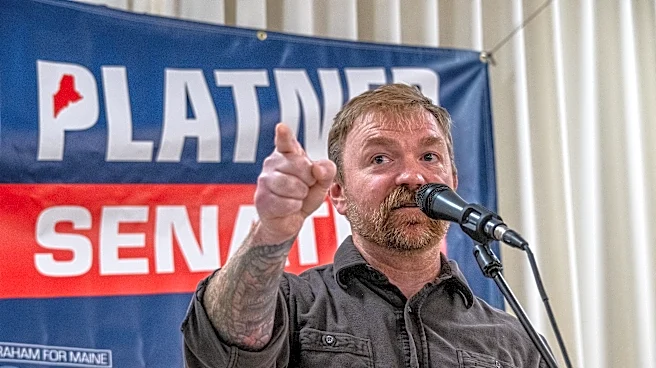
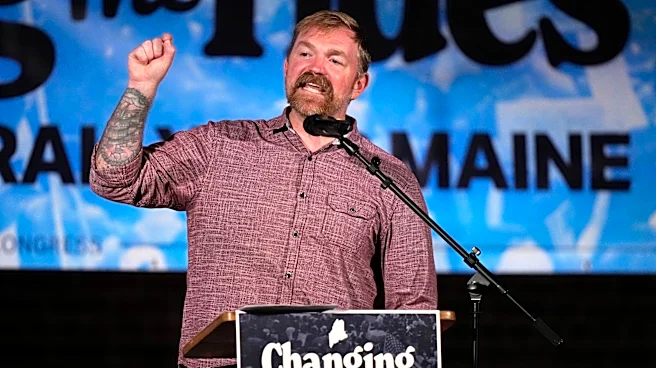
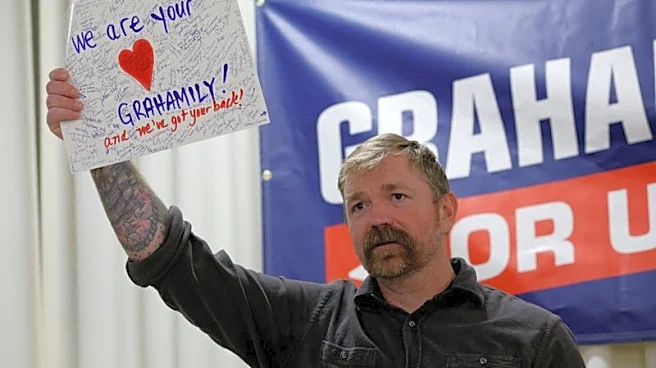
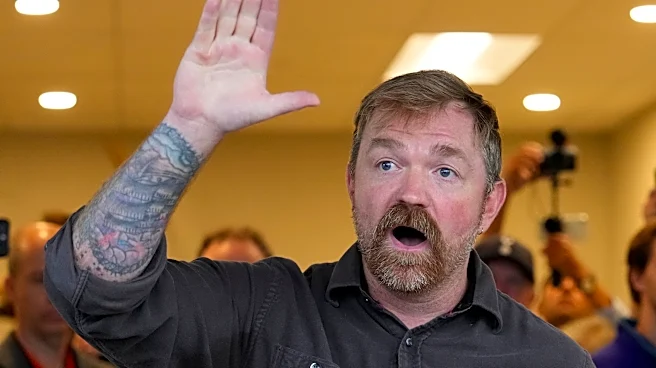
Jim Messina, a former staffer for President Obama, has praised Graham Platner's recent speech as a 'master class' in political communication. Platner, a progressive Democrat, recently won a primary against incumbent Governor Janet Mills and will face
GOP Senator Susan Collins in the upcoming November election. Despite his victory, Platner is facing scrutiny over past controversies, including a tattoo resembling a Nazi symbol, old Reddit posts about sexual assault in the military, and allegations of sexting women while married. Platner has acknowledged his past mistakes, stating he was in a 'dark place' but is committed to improving himself. Messina compared Platner's speech to the political style of Obama's 2008 campaign, highlighting its effectiveness in addressing a broken political system.
Why It's Important?
The significance of Platner's speech and subsequent praise from a prominent political figure like Messina lies in its potential impact on his campaign against a well-established opponent like Senator Collins. Platner's ability to resonate with voters despite his controversial past could signal a shift in political dynamics, where personal redemption narratives play a crucial role. This development also underscores the ongoing challenges within the Democratic Party to balance progressive ideals with electability in key races. The outcome of this election could influence future Democratic strategies, particularly in battleground states like Maine.
What's Next?
As Platner prepares for the general election, he will need to address the controversies surrounding his past while maintaining the momentum gained from his primary victory. His campaign will likely focus on appealing to voters disillusioned with the current political system, leveraging his narrative of personal growth and change. The response from Senator Collins and her campaign will be critical, as they may seek to capitalize on Platner's past controversies. The race is expected to draw national attention, with potential implications for the balance of power in the Senate.
Beyond the Headlines
Platner's campaign highlights broader cultural and ethical questions about forgiveness and accountability in politics. His narrative of personal change may resonate with voters who value authenticity and redemption, challenging traditional political norms. This situation also raises questions about the role of media in shaping public perception and the extent to which past actions should influence a candidate's viability. The outcome of this race could set a precedent for how similar controversies are handled in future elections.