



What's Happening?
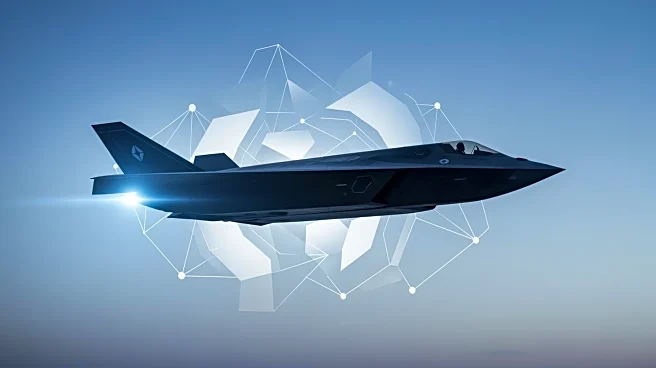
The US Air Force (USAF) is advancing its Collaborative Combat Aircraft (CCA) program, which aims to integrate autonomous and manned-unmanned aircraft teaming concepts. The program has awarded early development contracts to companies like Anduril, Boeing,
and General Atomics, with plans to produce over 100 aircraft in the first five years. The CCA initiative is part of the broader Next Generation Air Dominance (NGAD) program, which seeks to maintain air superiority through advanced technologies. The USAF is also exploring international partnerships to enhance the program's capabilities.
Why It's Important?
The CCA program represents a significant step in modernizing the USAF's combat capabilities, leveraging AI and autonomous technologies to enhance operational effectiveness. By integrating unmanned systems with manned aircraft, the USAF aims to improve situational awareness, lethality, and survivability in contested environments. This initiative could set a precedent for future military strategies, emphasizing the role of AI and autonomy in defense. The program's success could also influence global military practices, as other nations may adopt similar technologies to maintain competitive advantages.
What's Next?
The USAF plans to continue developing the CCA program, with Increment 2 contract awards expected in early fiscal year 2026. The first batch of CCAs is anticipated to enter service by the late 2020s, with operational capabilities expected by 2030. The USAF will likely engage with more companies and international partners to expand the program's scope and capabilities. As the program progresses, it may face challenges related to integration, interoperability, and regulatory compliance, which will need to be addressed to ensure its success.