





What's Happening?
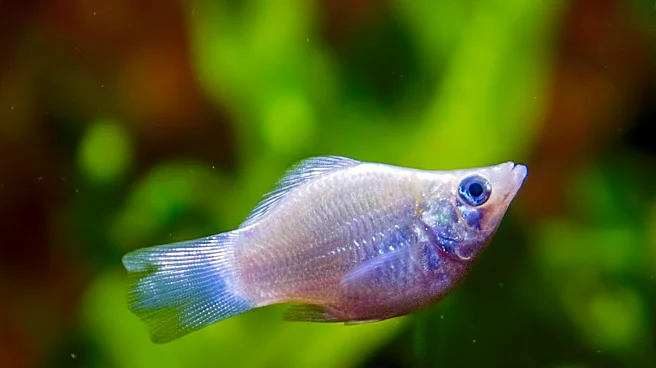
The ABQ BioPark's Aquatic Conservation Facility (ACF) in Albuquerque, New Mexico, has experienced a significant reduction in annual federal support, losing approximately $150,000 for its Rio Grande silvery minnow conservation program. This cut limits
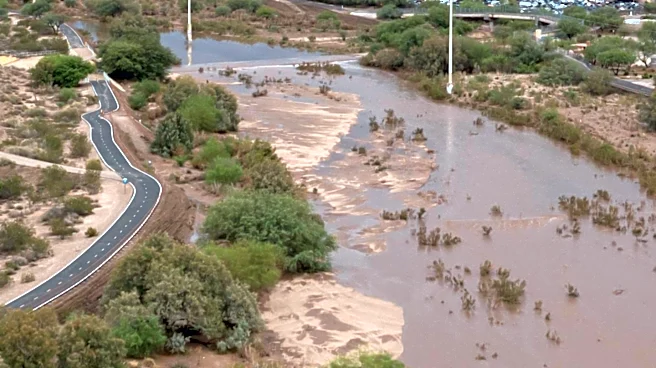
the number of fish the team can raise and reduces funds available for equipment replacement and unexpected operational issues. The silvery minnow, a federally endangered species, plays a critical role in maintaining the Rio Grande ecosystem, as its protected status helps preserve water in the river, benefiting the cottonwood bosque, wetlands, farms, and communities. The conservation team, in collaboration with the U.S. Fish and Wildlife Service, recently released about 34,900 silvery minnows into the Rio Grande, with an additional 5,000 scheduled for release by year-end, efforts made more crucial by the severe dry conditions experienced in the river this summer. Patrick Horley, curator of the ACF, emphasized that the fish do not compete for water but rather help ensure water availability for downstream communities.
Why It's Important?
The reduction in federal funding for the silvery minnow conservation program poses a significant threat to the ecological health of the Rio Grande and the communities that depend on it. The silvery minnow's endangered status is a key factor in protecting the river's water flow, which in turn supports agriculture, wildlife, and human populations. Without adequate funding, the BioPark's ability to raise and release minnows, especially during critical dry periods, will be severely hampered. This could lead to a decline in the minnow population, potentially weakening the legal protections that keep water in the river. The loss of this species would not only be an ecological tragedy but could also have profound economic and social consequences for New Mexico, impacting farming, tourism, and the overall quality of life along the Rio Grande. The program's success is directly tied to its ability to respond to environmental challenges, and funding cuts undermine this capacity.
What's Next?
The ABQ BioPark will need to seek alternative funding sources to compensate for the loss of federal support. The New Mexico BioPark Society is already assisting, and donations are being encouraged to help maintain the systems, replace equipment, and ensure the team is prepared for changing river conditions. The conservation team will continue its efforts to monitor weather patterns and collect minnow eggs during spawning seasons, raising them at the ACF for eventual release. However, the reduced budget will likely necessitate difficult decisions regarding the scale of operations and the number of fish that can be conserved. The long-term viability of the silvery minnow population, and by extension the health of the Rio Grande, will depend on the ability of the BioPark and its partners to secure consistent and sufficient funding to continue their vital work.
Beyond the Headlines
The plight of the Rio Grande silvery minnow highlights a broader ethical and environmental challenge: balancing human needs with species conservation, particularly in arid regions facing climate change. The public's perception of why so much effort is dedicated to a 'tiny fish' underscores a common disconnect between biodiversity and human well-being. Patrick Horley's explanation that the fish 'brings water to farmers' illustrates the often-unseen ecological services provided by endangered species. This situation also brings to light the vulnerability of conservation programs to fluctuating government funding and the increasing reliance on philanthropic support. The potential extinction of the silvery minnow, following six other native Rio Grande fish, would represent a significant loss of biodiversity and a stark reminder of the irreversible consequences of environmental degradation and insufficient conservation efforts. It also raises questions about the long-term sustainability of water management practices in the American Southwest.