







What's Happening?
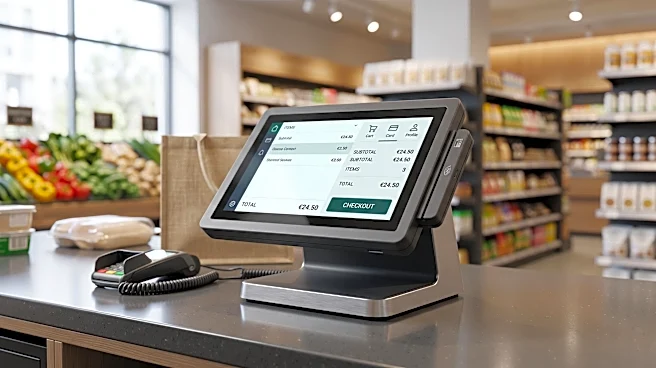
The U.S. Department of Agriculture (USDA) Food and Nutrition Administration (FNA) has published a final rule, effective December 7, 2026, to enable online shopping for participants in the Special Supplemental Nutrition Program for Women, Infants, and Children
(WIC). This rule removes previous regulatory barriers that mandated in-person transactions and fixed physical locations for WIC vendors, allowing state agencies to authorize retailers to accept WIC benefits online without waivers. The new regulations also introduce virtual visits as an allowable method for preauthorization and update definitions for routine monitoring and compliance buys to remove on-site requirements. These changes aim to leverage technology to enhance the shopping experience for WIC participants, improve administrative efficiency for states and vendors, and strengthen program integrity through modern, secure payment technologies and electronic benefit transfer (EBT) data insights to prevent fraud.
Why It's Important?
This regulatory update is significant for millions of low-income women, infants, and children across the U.S. who rely on WIC for nutritious food. By enabling online shopping, the USDA is increasing accessibility to healthy foods, particularly for participants who may face transportation challenges, live in food deserts, or have other barriers to in-person shopping. The modernization also aligns WIC with contemporary retail practices, making the program more user-friendly and efficient. Furthermore, the emphasis on secure payment technologies and data-driven oversight is crucial for protecting taxpayer funds and ensuring the program's long-term viability. This move could set a precedent for other federal nutrition assistance programs to adopt similar technological advancements, potentially broadening access and improving service delivery nationwide.
What's Next?
Following the rule's effective date of December 7, 2026, state agencies will have the option to implement these updated regulations. While some provisions require all state agencies to make operational changes by February 4, 2027, the adoption of online shopping is optional for states. WIC participants should contact their respective state agencies for information on the availability of online shopping in their area. The USDA will continue to support state agencies in their transition and implementation efforts, building on experiences from previous waiver-supported online shopping projects. The focus will be on ensuring that all WIC-authorized foods remain available online and that program integrity is maintained through robust monitoring and data utilization.
Beyond the Headlines
The shift to online WIC shopping represents a broader trend towards digital transformation in public assistance programs, driven by both technological advancements and lessons learned from recent public health crises. This move not only addresses immediate access issues but also has the potential to reduce the stigma associated with using WIC benefits by offering a more discreet shopping experience. However, it also raises questions about digital equity, ensuring that all WIC participants, including those with limited internet access or digital literacy, can equally benefit from these changes. The rule's emphasis on data-driven oversight could also lead to more sophisticated fraud detection and prevention mechanisms, potentially influencing how other government benefits are managed and distributed in the future.