
What's Happening?
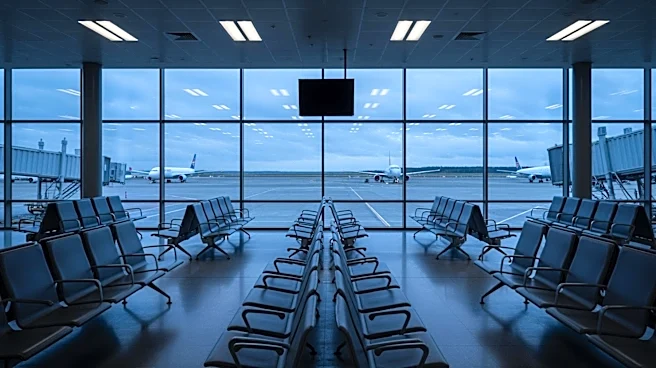
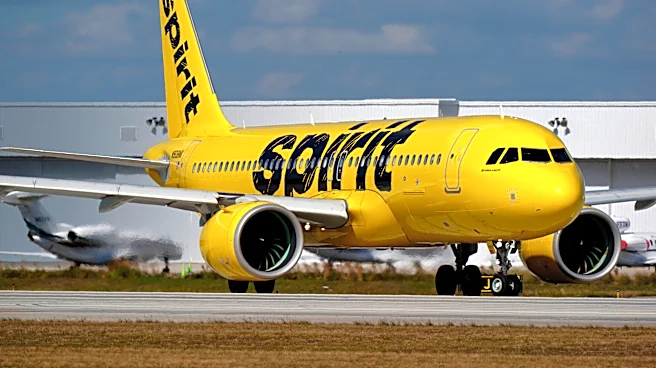
Spirit Airlines unexpectedly announced its shutdown early on a Saturday morning, causing significant confusion among travelers. Yash Kothari, a traveler at Philadelphia International Airport, discovered
the closure upon arrival for his flight, having missed the 1 a.m. announcement. The airline, which had been in operation for 34 years, ceased operations without prior notice, leaving many passengers stranded and uncertain about their travel plans. The sudden shutdown has raised questions about the future of booked flights and the airline's employees.
Why It's Important?
The abrupt closure of Spirit Airlines has significant implications for the U.S. travel industry and its consumers. As a major low-cost carrier, Spirit's shutdown affects thousands of travelers who rely on affordable air travel options. The airline's closure could lead to increased demand and higher prices for flights on other carriers, impacting budget-conscious travelers. Additionally, the sudden job loss for Spirit's employees adds to the economic challenges faced by the aviation sector, which is still recovering from the pandemic's impact. The situation underscores the importance of contingency planning and communication in the airline industry.
What's Next?
Affected travelers are likely to seek refunds or alternative travel arrangements, potentially leading to legal actions or claims against Spirit Airlines. Other airlines may see an opportunity to capture Spirit's market share, possibly leading to strategic expansions or increased competition in the low-cost segment. Regulatory bodies might also scrutinize the circumstances surrounding the shutdown to ensure consumer protection and industry stability. The airline's employees will need to explore new employment opportunities, possibly within the aviation sector or in other industries.