






What's Happening?
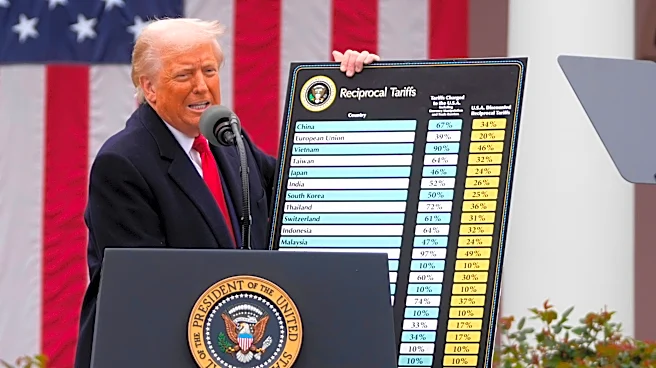
President Trump is facing significant economic challenges as spiraling gasoline prices and tariff pressures from his global trade war contribute to a new inflationary economy. The Bureau of Labor Statistics reported a 4.2 percent rise in consumer prices over
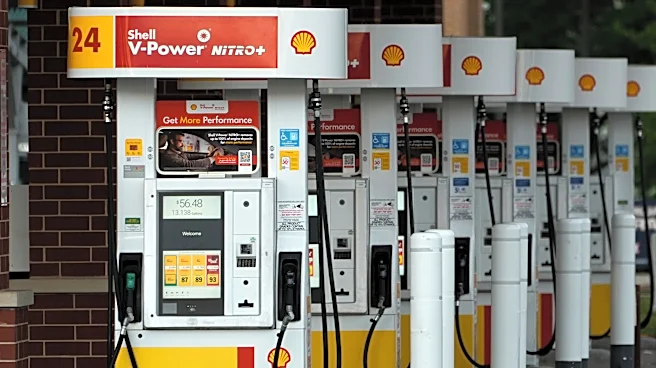
the year through May 2026, marking the highest 12-month inflation reading since April 2023. This inflation is largely driven by the oil shock resulting from the ongoing conflict with Iran. Gasoline prices have surged, with the national average exceeding $4 per gallon, following a series of escalations in the U.S.-Iran conflict, including mutual strikes and Iranian attacks on oil tankers. Despite some deflationary trends in other consumer goods, such as eggs and butter, the weight of gasoline prices in the consumer price index significantly impacts household finances.
Why It's Important?
The rising gasoline prices are a critical issue for the U.S. economy, affecting both consumer confidence and the political landscape. Gasoline's significant weight in the consumer price index means its price increases have a substantial impact on overall inflation and consumer spending power. The economic strain is compounded by tariffs from Trump's trade war, which further elevate costs for goods. This situation presents a political challenge for President Trump, as public approval of his economic management declines. The Democratic opposition is leveraging these economic difficulties to criticize Trump's foreign and economic policies, potentially influencing upcoming midterm elections.
What's Next?
The continuation of the U.S.-Iran conflict and its impact on oil prices will be pivotal in shaping the economic landscape. If the conflict persists, gasoline prices may remain high, further straining the economy and affecting consumer sentiment. The administration may need to explore diplomatic solutions to de-escalate tensions with Iran to stabilize oil markets. Additionally, the political ramifications could influence the midterm elections, with Democrats poised to capitalize on economic discontent. The administration's ability to manage these challenges will be crucial in determining both economic recovery and political outcomes.