

What's Happening?
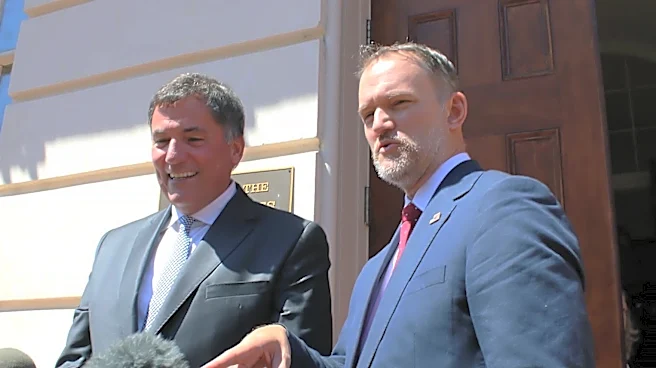
U.S. Representative Darin LaHood recently visited Zekelman Industries in Rochelle, meeting with Chairman and CEO Barry Zekelman. The discussions focused on critical domestic issues including manufacturing, trade policies, and the growing demand for skilled
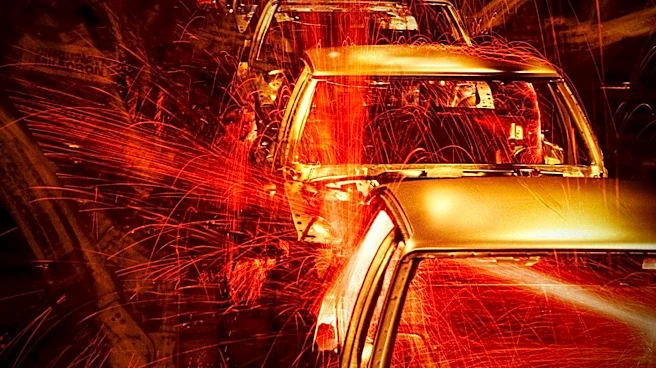
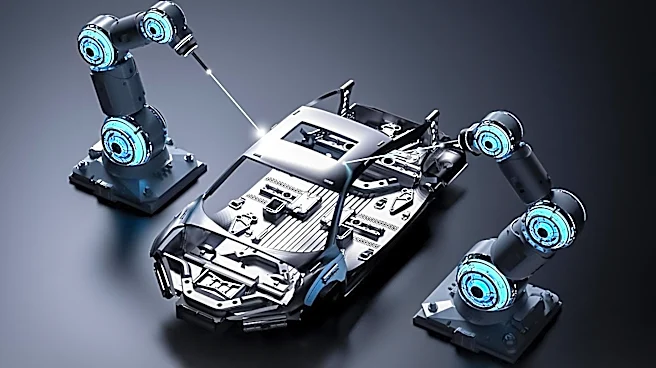
labor. Zekelman Industries, which has invested over $250 million in its Rochelle facility since 2019, currently employs approximately 380 individuals and produces between 3,500 to 3,700 tons of steel conduit weekly. This output is driven by increasing demand, particularly from data centers and other infrastructure projects. Both LaHood and Zekelman highlighted the urgent need for workers with mechanical, electrical, and technical skills to address the current labor shortage in manufacturing. The conversation also touched upon the importance of domestic steel production, the rising need for electricity to support data centers, and the competitive landscape with China in technology and manufacturing sectors. LaHood emphasized the need for the United States to maintain its competitive edge in artificial intelligence, quantum computing, and advanced chip manufacturing. Zekelman noted his company's adoption of automation and AI to enhance production, equipment performance, and worker safety. The tour also provided an opportunity for direct engagement with employees regarding their jobs, wages, and career development within the manufacturing industry.
Why It's Important?
This visit underscores the critical challenges and opportunities facing the U.S. manufacturing sector and its broader economic implications. The discussions highlight the ongoing struggle to meet domestic demand for essential materials like steel conduit, which is vital for infrastructure development and the burgeoning data center industry. The shortage of skilled labor, particularly in technical fields, poses a significant threat to the growth and competitiveness of U.S. manufacturing. Addressing this gap is crucial for maintaining economic stability and fostering innovation. Furthermore, the emphasis on domestic steel production and competition with China reflects broader national security and economic independence concerns. A robust domestic manufacturing base is essential for reducing reliance on foreign supply chains and safeguarding critical industries. The integration of advanced technologies like AI and automation, as discussed by Zekelman, is pivotal for improving efficiency, safety, and overall productivity, which can help the U.S. remain a leader in global manufacturing. The insights gained from such tours can inform policy decisions aimed at strengthening the workforce, promoting technological adoption, and ensuring the long-term viability of American industries.
What's Next?
Following this tour, it is anticipated that Representative LaHood will continue to advocate for policies that support domestic manufacturing, address skilled labor shortages, and enhance U.S. competitiveness in critical technological sectors. This could include legislative efforts related to trade policy, workforce development programs, and incentives for technological adoption in manufacturing. The insights gathered from industry leaders like Barry Zekelman will likely influence future legislative proposals aimed at bolstering the American industrial base. Furthermore, the ongoing discussions about competition with China in AI and advanced chip manufacturing suggest a continued focus on national strategies to secure technological leadership. For Zekelman Industries, the focus will remain on meeting the 'unlimited demand' for its products, which will necessitate continued investment in automation and efforts to attract and train a skilled workforce. The broader manufacturing sector will likely see continued pressure to innovate and adapt to technological advancements while simultaneously addressing the challenges of a tight labor market. The 2026 midterm elections, where prediction markets indicate Darin LaHood as the likely winner for the IL-16 House seat, suggest a potential continuity in his legislative priorities regarding these issues.
Beyond the Headlines
The issues discussed during Representative LaHood's visit extend beyond immediate economic concerns, touching upon fundamental shifts in the global economy and workforce. The 'unlimited demand' for products like steel conduit, driven by data centers, highlights the accelerating digital transformation and its profound impact on physical infrastructure. This trend necessitates a re-evaluation of traditional manufacturing models and supply chain resilience. The skilled labor shortage points to a deeper societal challenge in education and vocational training, requiring a concerted effort to align educational outcomes with industry needs. The competitive dynamic with China in technology and manufacturing raises ethical considerations regarding intellectual property, fair trade practices, and the balance between global cooperation and national self-interest. The adoption of AI and automation, while boosting productivity, also brings forth questions about the future of work, job displacement, and the need for continuous reskilling of the workforce. These developments collectively signal a long-term shift towards a more technologically advanced and globally interconnected, yet increasingly competitive, industrial landscape, demanding adaptive policies and strategic investments to ensure U.S. prosperity and security.