








What's Happening?
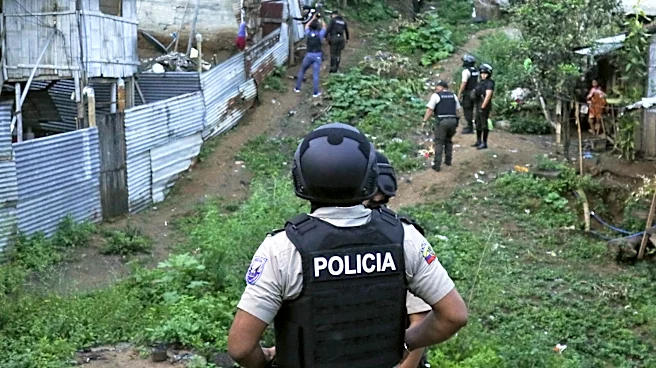
The U.S. State Department has issued a Level 2 'Exercise Increased Caution' advisory for Ecuador, warning American citizens about violent crime, terrorism, and kidnapping risks. This advisory highlights widespread crime across the country, including murders,
assaults, kidnappings, and armed robberies, which are often linked to drug trafficking. Officials noted that areas with transnational criminal organizations experience significantly higher rates of violent crime, and both U.S. citizens and lawful permanent residents have been victims of kidnapping and extortion. The warning specifically covers several areas popular with travelers, such as parts of Guayaquil and the coastal provinces of Manabí and Santa Elena. However, popular destinations like Quito, Cuenca, and the Galápagos Islands are not currently designated as 'Do Not Travel' or 'Reconsider Travel' areas. The advisory also mentions the potential for civil unrest and terrorist violence, which can lead to road blockages and disruptions to transportation and essential services. It further cautions that assistance from local authorities and the U.S. government may be limited and delayed in remote areas of Ecuador.
Why It's Important?
This travel advisory is significant because it directly impacts the safety and travel decisions of American citizens, who constitute the largest group of foreign visitors to Ecuador, accounting for approximately one-third of international arrivals in 2025. The increased caution level could deter American tourists and business travelers, potentially affecting Ecuador's tourism industry and economy. For U.S. citizens planning travel to Ecuador, the advisory underscores the need for heightened vigilance and careful planning, particularly in the specified high-risk regions. The mention of U.S. citizens and lawful permanent residents being victims of kidnapping and extortion highlights a direct threat to American lives and security abroad. Furthermore, the advisory reflects a broader concern about regional stability and the influence of transnational criminal organizations in South America, which can have implications for U.S. foreign policy and security interests in the region. The State Department's warning serves as a critical tool for informing the public and mitigating risks for Americans traveling internationally.
What's Next?
Following this advisory, U.S. citizens planning travel to Ecuador are advised to review their travel plans, exercise increased caution, and consider the risks associated with the specified areas. The State Department will likely continue to monitor the security situation in Ecuador and may update the advisory if conditions change. Travelers should stay informed through the State Department's website and enroll in the Smart Traveler Enrollment Program (STEP) to receive alerts and locate them in an emergency. Ecuadorian authorities may face pressure to address the rising crime rates and enhance security measures to protect both their citizens and international visitors, especially given the country's reliance on tourism. The advisory could also prompt U.S. diplomatic efforts to collaborate with Ecuador on security initiatives aimed at combating drug trafficking and organized crime. Businesses with operations or employees in Ecuador may need to reassess their security protocols and travel policies for their personnel.
Beyond the Headlines
The State Department's advisory for Ecuador points to a deeper issue of escalating violence and instability in parts of South America, often fueled by drug trafficking and the presence of transnational criminal organizations. This situation can have long-term implications for regional governance, economic development, and human rights. The advisory also highlights the complex challenges faced by countries like Ecuador, which are grappling with internal security threats while trying to maintain their appeal as tourist destinations. The impact extends beyond immediate travel concerns, potentially affecting international investment, trade relations, and the overall perception of safety in the region. For the U.S., such advisories are part of a broader strategy to protect its citizens globally, but they also reflect the interconnectedness of global security challenges, where local crime can have international repercussions. The ethical dimension involves balancing the right to travel with the responsibility to ensure citizen safety, often leading to difficult decisions about travel restrictions and warnings.