





What's Happening?
General Dynamics Mission Systems Inc., based in Pittsfield, Massachusetts, has been awarded a $194.1 million U.S. Navy contract modification. This contract is for technical and engineering support of the fire-control subsystem for the Nuclear-Armed, Sea-Launched
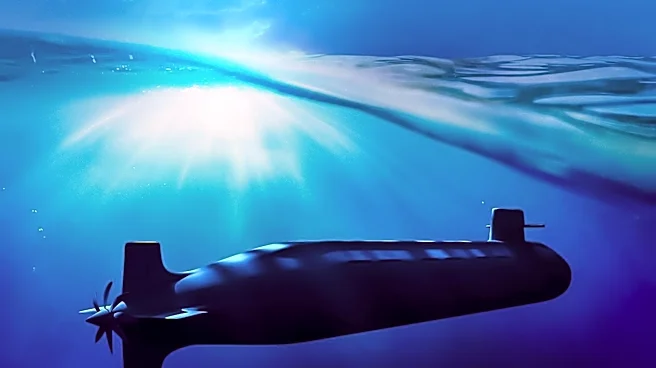
Cruise Missile (SLCM-N) program. The cost-plus-fixed-fee modification includes optional line items and modifies a previously awarded unpriced letter contract. General Dynamics Mission Systems will perform approximately 75% of the work in Pittsfield, Massachusetts, with the remaining 25% to be completed in Manassas, Virginia. The SLCM-N fire-control effort is an integral part of a larger weapons-system development program that the Navy intends to integrate into Virginia-class attack submarines by the 2030s. The program aims to equip Virginia-class submarines with the Virginia Payload Module (VPM), which contains multiple Virginia Payload Tubes (VPTs), to accommodate the SLCM-N launcher subsystem.
Why It's Important?
This significant contract underscores the U.S. Navy's commitment to modernizing its strategic deterrence capabilities and enhancing the firepower of its submarine fleet. The SLCM-N program is crucial for maintaining a credible nuclear deterrent, particularly in an evolving global security landscape. General Dynamics Mission Systems' extensive experience in submarine strategic-weapon fire-control systems, spanning over 70 years with programs like Polaris, Poseidon, Trident I, and Trident II, positions it as a key partner in this critical national security initiative. The integration of SLCM-N into Virginia-class submarines will provide these vessels with a new strategic capability, diversifying the nation's nuclear options. The contract also highlights the continued investment in advanced defense technologies and the role of private contractors in supporting military readiness and technological superiority. The congressional support and accelerated development requirements for the SLCM-N program reflect a strategic imperative to deploy these assets by September 30, 2032.
What's Next?
The work under this contract modification is expected to be completed by September 30, 2028. This timeline aligns with the broader goal of integrating the SLCM-N fire-control subsystem into Virginia-class attack submarines by the 2030s. The Navy's plan includes equipping these submarines with the Virginia Payload Module (VPM) and Virginia Payload Tubes (VPTs) to house the SLCM-N launcher. The program has received increased congressional support, with the FY2026 National Defense Authorization Act (NDAA) authorizing additional funding and mandating limited operational deployment of SLCM-N assets no later than September 30, 2032. This indicates a clear path forward for the program, with continued development, testing, and eventual deployment. Future steps will likely involve further technical advancements, rigorous testing phases, and seamless integration with existing and new submarine platforms to ensure operational effectiveness and safety.
Beyond the Headlines
The SLCM-N program represents a strategic shift in U.S. nuclear deterrence policy, moving towards a more flexible and survivable sea-launched cruise missile capability. This development has broader implications for international arms control and strategic stability. The deployment of nuclear-armed cruise missiles on attack submarines could be perceived differently by adversaries compared to traditional ballistic missile submarines, potentially influencing their strategic calculations. Ethically, the development of new nuclear weapons systems always raises questions about proliferation risks and the long-term goal of nuclear disarmament. Legally, the program operates within existing international treaties, but its implications for future arms control negotiations are significant. Culturally, it reinforces the role of technological superiority in national defense, driving innovation in areas like fire-control systems, missile technology, and submarine design. The long-term shift could be towards a more diversified and adaptable nuclear arsenal, capable of responding to a wider range of threats and geopolitical scenarios.