




What's Happening?
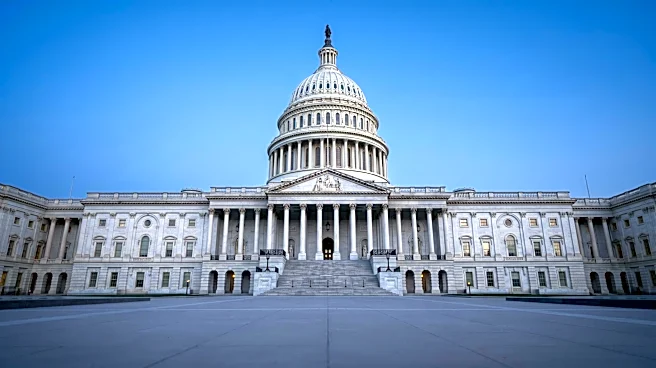
U.S. Representative Chris Pappas (NH-01), alongside Representatives Jim Himes (CT-04) and Josh Gottheimer (NJ-05), has introduced the Multi-State Worker Tax Fairness Act. This proposed legislation aims to establish a uniform federal standard for taxing
income, specifically preventing states from taxing the income of non-residents who are not physically present in that state. The bill addresses the growing issue of remote work, where individuals may reside in one state but work for a company based in another, leading to potential double taxation. Representative Pappas emphasized that New Hampshire residents, who do not pay state income tax, should not be compelled to pay income tax to another state. He stated that the bill seeks to protect workers from unfair out-of-state income taxes, ensuring families can retain more of their earnings. The full text of the bill is available for public review.
Why It's Important?
The Multi-State Worker Tax Fairness Act is significant because it directly addresses a critical issue arising from the widespread adoption of remote work, which has become a permanent fixture in the American economy. Without a clear federal standard, remote workers face the complex and often costly burden of navigating differing state tax laws, potentially leading to double taxation. This situation disproportionately affects individuals who have embraced teleworking, impacting their financial stability and potentially discouraging remote work arrangements. For states like New Hampshire, which do not impose an income tax, the current lack of uniformity can result in their residents being unfairly taxed by other states. The bill aims to provide clarity and fairness, which could foster greater economic mobility and support the remote workforce, a key component of the modern U.S. labor market. It also highlights the need for legislative frameworks to adapt to evolving work models.
What's Next?
The Multi-State Worker Tax Fairness Act will now proceed through the legislative process in Congress. It will likely be referred to relevant committees for review, debate, and potential amendments. The bill's proponents, including Representatives Himes, Gottheimer, and Pappas, will advocate for its passage, emphasizing its importance for tax fairness and the modern workforce. Stakeholders such as remote workers, businesses with remote employees, and state tax authorities will closely monitor its progress. The bill's success will depend on bipartisan support and its ability to navigate potential disagreements over state sovereignty in taxation. If passed, it would establish a precedent for how remote work income is taxed across state lines, potentially influencing future state and federal tax policies related to the evolving nature of employment.
Beyond the Headlines
Beyond the immediate financial implications for remote workers, this legislation touches upon broader themes of federalism and the adaptation of legal frameworks to technological and societal shifts. The rise of remote work challenges traditional notions of where work is performed and where tax obligations lie, prompting a reevaluation of state tax jurisdiction. The Multi-State Worker Tax Fairness Act could set a precedent for federal intervention in areas traditionally governed by state law, particularly when interstate commerce and labor are involved. It also underscores the increasing need for legislative bodies to proactively address the complexities introduced by technological advancements and changing work environments, rather than reacting to problems after they become widespread. The debate surrounding this bill could also highlight differing philosophies on taxation, individual liberty, and the role of federal versus state authority in a highly interconnected economy.