


What's Happening?
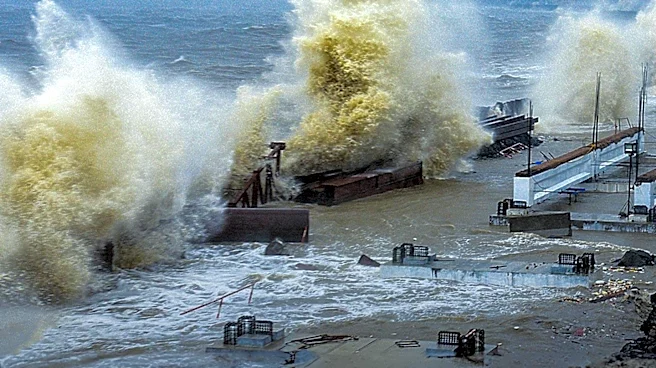
Cyclone Murasu made landfall in eastern India near Ongole in Andhra Pradesh state on November 3, 2026, with sustained winds of 100-110 kph (62-68 mph). This event occurred less than a week after Cyclone Arnab, which hit the same coast on October 28, 2026, with winds of 125
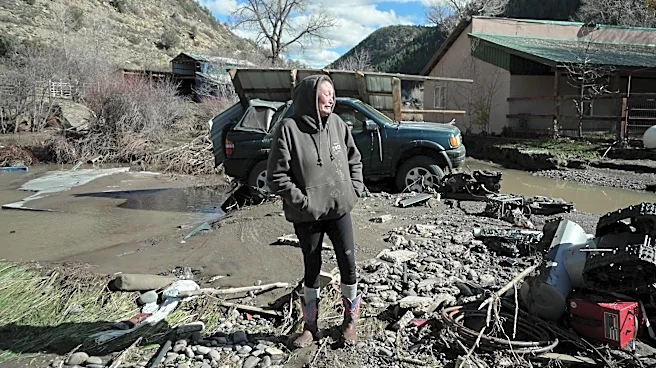
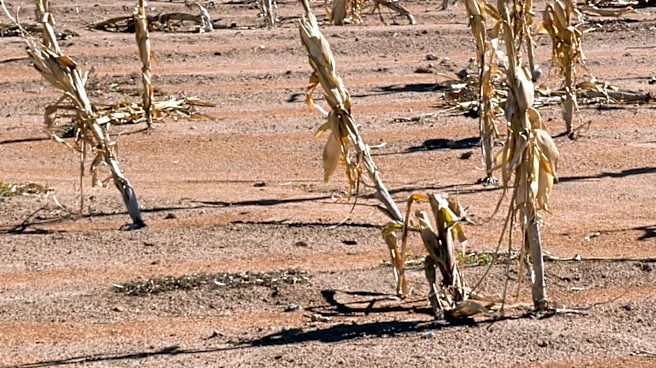
to 135 kilometers per hour. Cyclone Arnab led to the evacuation of over 180,000 people and caused at least nine deaths in Andhra Pradesh, along with significant crop damage exceeding 220,000 hectares. Murasu has further exacerbated the situation, submerging standing crops and destroying fishing boats. These cyclones follow a severe drought declaration on October 1, 2026, in 388 of Andhra Pradesh's 688 administrative units, resulting from the weakest monsoon in over a decade with a 53.4% rainfall deficit between June and August. The region is experiencing a sequence of compounding disasters, with farmers facing repeated losses from drought and subsequent cyclonic floods.
Why It's Important?
The succession of a severe drought followed by two powerful cyclones highlights the increasing vulnerability of agricultural regions to cascading climate disasters. This sequence of events, particularly in a major agricultural state like Andhra Pradesh, has profound implications for food security and the livelihoods of millions of farmers and fishers. The economic impact is substantial, with initial crop damage from Cyclone Arnab alone exceeding 220,000 hectares, and Murasu adding to these losses. The repeated destruction of crops and infrastructure, such as fishing boats, creates a cycle of debt and hardship for affected communities. The situation also underscores the challenges in disaster response and recovery, as traditional relief mechanisms often address single events rather than cumulative damage, potentially leading to an underestimation of the true scale of loss and hindering effective long-term recovery efforts.
What's Next?
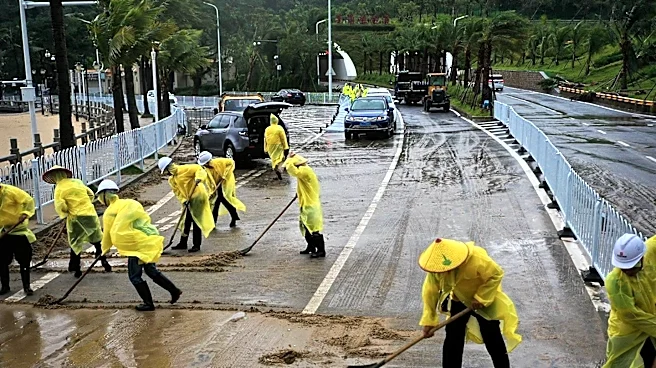
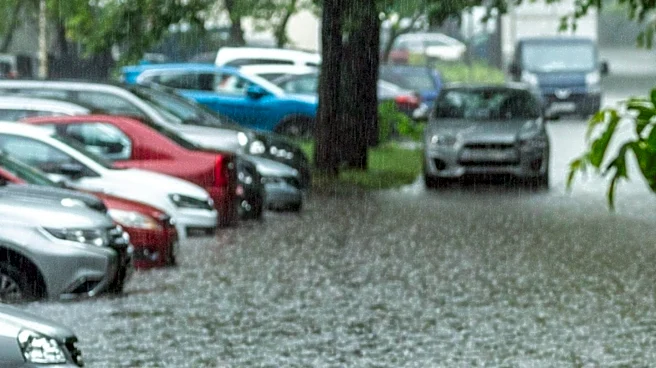
Authorities are currently focused on managing the immediate aftermath of Cyclone Murasu, including assessing damage, providing relief, and ensuring public safety. The India Meteorological Department (IMD) has forecast heavy rainfall for several hours as the cyclone weakens, which could lead to further flooding in low-lying areas. The long-term focus will likely shift to recovery and rebuilding efforts, particularly for the agricultural and fishing sectors. There will be a critical need for financial aid and support for farmers who have lost multiple crops due to drought and subsequent floods. Discussions at international forums like COP31, where negotiators are addressing loss and damage finance, will likely be influenced by such events, prompting calls for more comprehensive and anticipatory disaster funding mechanisms that account for cumulative climate impacts.
Beyond the Headlines
This series of events in Andhra Pradesh illustrates a broader global challenge: the increasing frequency and intensity of extreme weather phenomena, often exacerbated by climate change. While El Niño is a natural cycle, its current strength, combined with a warmer Bay of Bengal, contributes to the rapid intensification of cyclones, making them more destructive. The situation exposes the limitations of current disaster management frameworks that often treat hazards in isolation rather than as interconnected, cascading events. The non-economic losses, such as impacts on health, schooling, and migration, are significant but often undercounted in traditional damage assessments. This calls for a re-evaluation of how climate resilience is built, emphasizing integrated risk management, anticipatory action, and layered financing mechanisms that can address complex, sequential disasters and protect vulnerable populations more effectively.