






What's Happening?
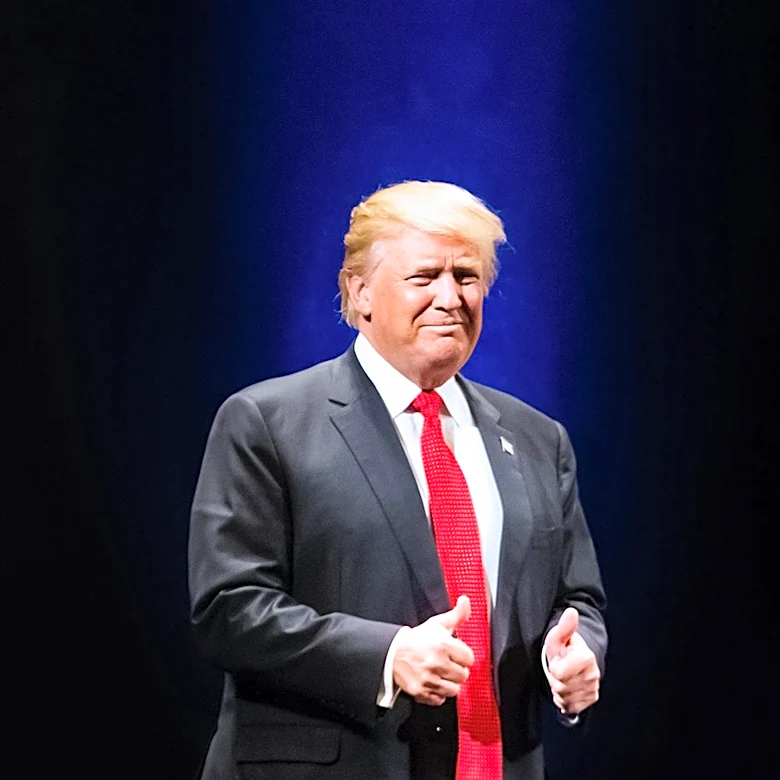
President Donald Trump recently claimed on Truth Social that his approval rating stands at 59%, attributing this to falling prices and reduced oil and gas costs. However, this figure is not supported by recent polling data. According to RealClearPolitics,
Trump's approval rating is significantly lower, with 41% approval and 56.5% disapproval. The New York Times/Siena poll also shows only 37% approval for Trump's handling of the presidency. Historically, Trump has been known to overstate his approval ratings, often citing figures that are not reflected in major polling aggregates. This pattern of inflating approval ratings has been a recurring theme throughout his presidency.
Why It's Important?
The discrepancy between President Trump's claimed approval rating and actual polling data highlights ongoing issues of misinformation and public perception in U.S. politics. Accurate approval ratings are crucial for understanding public sentiment and guiding policy decisions. Misrepresenting these figures can lead to a distorted view of political support and influence public discourse. This situation underscores the importance of reliable data and transparency in political communication. It also reflects broader challenges in the political landscape, where misinformation can impact voter trust and engagement.
What's Next?
As President Trump continues to assert higher approval ratings, it is likely that media outlets and political analysts will scrutinize these claims. The White House has been contacted for clarification on the president's statements. Moving forward, it will be important for polling organizations and media to provide clear and accurate information to the public. This may also prompt discussions on the role of social media in disseminating political information and the responsibilities of public figures in ensuring factual accuracy.