





What's Happening?
The Atlantic States Marine Fisheries Commission (ASMFC) is scheduled to make significant decisions this week regarding the industrial-scale harvesting of Atlantic menhaden in the Chesapeake Bay and along the East Coast. Concerns have been growing that
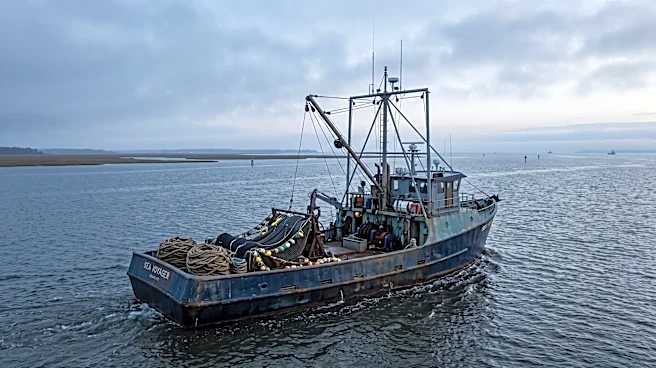
a scarcity of menhaden, a small oily fish crucial to the coastal food web, is contributing to declines in osprey reproduction and hindering the recovery of Atlantic striped bass, both of which breed extensively in the Chesapeake. The ASMFC will vote on proposals that could reduce the existing limit on the menhaden reduction fishery's catch in the Chesapeake by up to 50% and distribute the catch more evenly throughout the year. Additionally, the commission may substantially reduce the maximum allowable harvest coastwide and allot more of the catch to New England states. Omega Protein, headquartered in Reedville, Virginia, and its partner fishing fleet, Ocean Harvesters, are central to this debate, as their processing plant is the last East Coast survivor of the menhaden reduction industry.
Why It's Important?
These decisions by the ASMFC hold significant implications for the ecological health of the Chesapeake Bay and the broader East Coast marine ecosystem. Menhaden are a keystone species, serving as a primary food source for numerous larger fish, marine mammals, and birds. A reduction in their population can have cascading effects throughout the food web, impacting commercially and recreationally important species like striped bass and ecologically vital predators like ospreys. For the U.S. fishing industry, particularly Omega Protein, these proposed harvest reductions could lead to substantial economic impacts, potentially affecting jobs and the viability of the last remaining menhaden reduction plant on the East Coast. The debate highlights the ongoing tension between economic interests and environmental conservation in managing shared natural resources.
What's Next?
The Atlantic States Marine Fisheries Commission is set to vote on these proposals between November 10-11. The outcome will determine the future regulations for menhaden harvesting, potentially leading to stricter limits for Omega Protein and other fishing operations. If reductions are approved, Omega Protein and Ocean Harvesters will need to adapt their operations to comply with the new catch limits, which could involve changes in fishing practices, fleet size, or processing capacity. Conservation groups and anglers will closely monitor the implementation and effectiveness of any new regulations, advocating for further measures if ecological improvements are not observed. The decisions will also set a precedent for how inter-state marine resources are managed, balancing economic activity with ecosystem health.
Beyond the Headlines
The debate over menhaden harvests extends beyond simple fish population management; it touches on the complex interplay between industrial fishing, ecological balance, and the economic well-being of coastal communities. The decline of the menhaden reduction industry since its peak in the 1950s reflects broader shifts in resource management and environmental awareness. This situation also highlights the challenge of managing a migratory species that crosses state lines, requiring coordinated efforts from multiple jurisdictions. The focus on menhaden as a 'little fish that no one eats' yet is vital to the ecosystem underscores the often-underestimated importance of foundational species in maintaining biodiversity and ecosystem resilience. The outcome of these votes will be a critical test of how effectively U.S. marine policy can integrate scientific evidence with economic and social considerations.