



What's Happening?
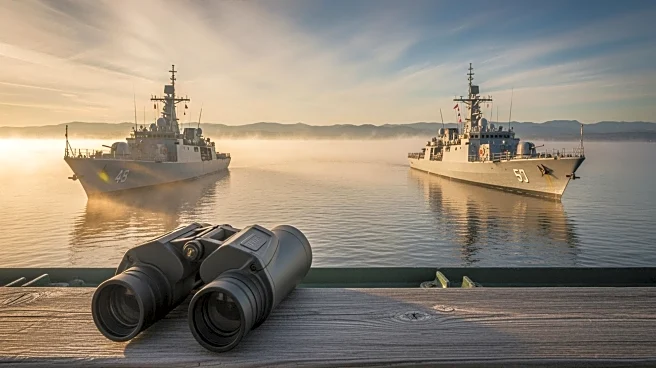
U.S. strategic bombers and Japanese fighter jets conducted a joint military exercise over the Sea of Japan, showcasing their military cooperation as tensions with China escalate. This exercise followed a day after Chinese and Russian bombers flew near
Japan, prompting Tokyo to scramble its fighter jets. The joint drills involved two U.S. B-52 bombers and Japanese F-35 and F-15 jets, demonstrating a strong resolve to prevent unilateral changes to the status quo by force. The exercise was not a direct response to a specific incident but occurred in the context of recent Chinese military activities, including radar-locking on Japanese jets, which have strained Japan-China relations.
Why It's Important?
The joint military exercise underscores the strategic alliance between the U.S. and Japan in maintaining regional stability and countering potential threats from China. As China increases its military presence and activities near Japan, these drills serve as a deterrent against any aggressive maneuvers. The U.S. and Japan's commitment to military cooperation is crucial for regional security, especially in light of China's assertive actions in the East China Sea and its claims over Taiwan. This development could influence diplomatic relations and military strategies in the Asia-Pacific region, affecting U.S. foreign policy and defense commitments.
What's Next?
The ongoing military activities and diplomatic tensions suggest that further joint exercises between the U.S. and Japan may occur to reinforce their defense posture. Japan may continue to protest against China's military actions and seek diplomatic solutions to de-escalate tensions. The U.S. is likely to maintain its support for Japan, emphasizing the importance of their alliance. Regional stakeholders, including South Korea and other Asia-Pacific nations, will closely monitor these developments, which could impact their own security policies and alliances.