






What's Happening?
A new report, co-published by the U.K.-based Marine Stewardship Council and the U.S.-based World Resources Institute (WRI), highlights a significant gap in global efforts to protect ocean biodiversity. Released at the U.N. Convention on Biological Diversity
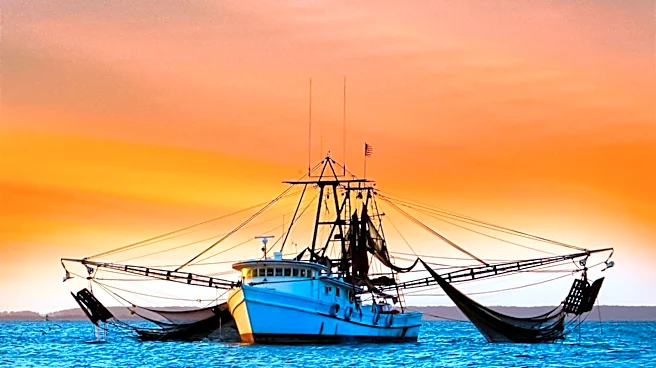
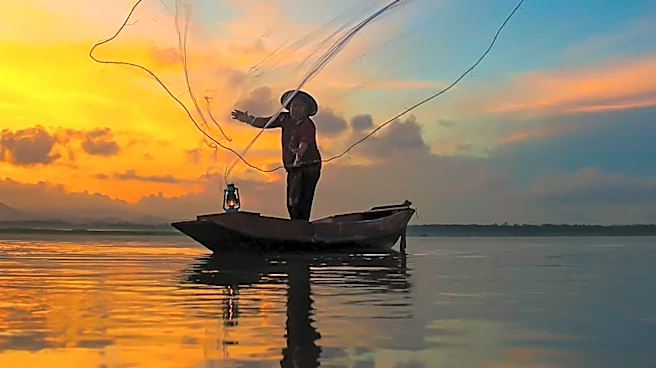
summit (COP 17) in Yerevan, Armenia, the report analyzes government pledges under the Kunming-Montreal Global Biodiversity Framework (GBF). While all 74 coastal and island nations and the European Union included fisheries-related commitments in their National Biodiversity Strategies and Action Plans (NBSAPs), most are 'weakly anchored' in policy and accountability. Critically, only 10% of commitments address the economics of fishing, and a mere 5% specifically focus on small-scale fisheries. A delegation of small-scale fishers at COP 17 voiced concerns that their traditional knowledge and experience are being overlooked, with governments prioritizing 'Blue Economy' initiatives like tourism and shipping over local fishing communities. They expressed feeling 'invisible and ignored' as current protection efforts sideline their role as coastal custodians.
Why It's Important?
The findings of this report are crucial for the U.S. and other nations committed to marine conservation and sustainable development. The U.S. has significant coastal communities and a vested interest in healthy ocean ecosystems. The report underscores that without integrating small-scale fishers, who possess centuries of ecological knowledge, ocean protection strategies may be less effective and equitable. Overlooking these communities can lead to social and economic instability in coastal regions, potentially exacerbating poverty and food insecurity. Furthermore, the emphasis on 'Blue Economy' initiatives without adequate consideration for small-scale fisheries could create conflicts over resource access and undermine the very biodiversity goals they aim to achieve. For the U.S., this highlights the need for comprehensive policy frameworks that balance economic development with the livelihoods and traditional practices of local fishing communities, ensuring that conservation efforts are inclusive and sustainable in the long term.
What's Next?
The report calls for governments to strengthen their pledges with specific targets and timelines grounded in active policies, particularly concerning small-scale fisheries. Moving forward, there will likely be increased pressure on nations, including the U.S., to revise their NBSAPs to better incorporate the human and economic dimensions of fisheries. This could involve developing new policies that provide financial support, secure tenure rights, and enhance the participation of small-scale fishers in decision-making processes. International bodies and NGOs will continue to advocate for more inclusive conservation models. The ongoing dialogue at future U.N. biodiversity conferences and related forums will be critical in pushing for these changes, with a focus on translating broad commitments into tangible actions that benefit both marine ecosystems and the communities dependent on them. The effectiveness of the Kunming-Montreal Global Biodiversity Framework by its 2030 target will largely depend on how well these implementation gaps are addressed.
Beyond the Headlines
The report's findings reveal a deeper systemic issue: the disconnect between top-down conservation policies and the realities of local communities. The 'Blue Economy' concept, while aiming for sustainable use of ocean resources, can inadvertently marginalize traditional users if not implemented with a strong equity lens. This raises ethical questions about who benefits from ocean development and who bears the costs of conservation. Legally, it points to potential challenges in upholding the rights of Indigenous and local communities to their traditional fishing grounds and resources. Culturally, the erosion of small-scale fishing practices could lead to the loss of invaluable traditional ecological knowledge and cultural heritage. The long-term implication is a call for a paradigm shift in conservation, moving towards co-management approaches that empower local stakeholders and recognize their intrinsic role in environmental stewardship, rather than viewing them as obstacles to progress.