
What's Happening?
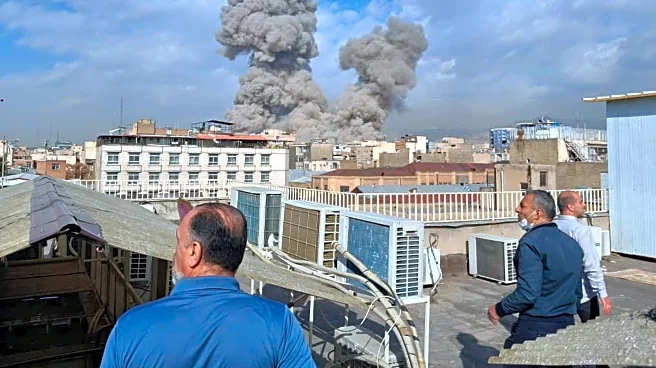
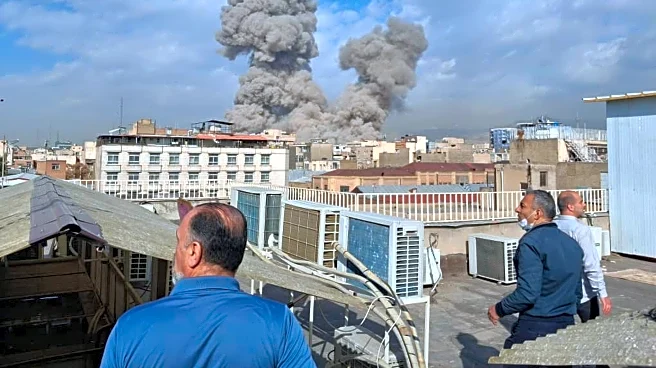
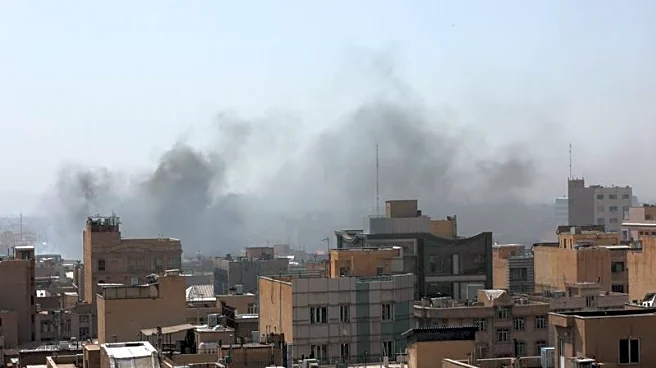
A joint military operation by the United States and Israel against Iran has escalated tensions in the Middle East. The operation, which involved targeted strikes on Iranian leadership, has prompted retaliatory actions from Iran against Israeli and U.S.
targets. Haaretz analyst Amos Harel reports that the stakes are significantly higher than previous conflicts, with potential widespread impacts on both Israeli and Iranian societies. The operation follows a history of strained relations and military confrontations between Israel and Iran, with the latest actions likely to exacerbate existing hostilities.
Why It's Important?
The joint operation highlights the deepening military cooperation between the U.S. and Israel, as well as the ongoing volatility in the Middle East. The strikes could lead to a broader conflict, affecting regional stability and international relations. For Israel, the operation poses risks of retaliation from Iran and its proxies, while for Iran, it could intensify internal unrest and opposition to the regime. The situation underscores the complexities of Middle Eastern geopolitics and the challenges of balancing military actions with diplomatic efforts.
What's Next?
As the situation unfolds, further military engagements and diplomatic responses are anticipated. The international community may seek to mediate and prevent further escalation, while regional actors could adjust their strategies in response to the changing dynamics. The U.S. and Israel will likely continue to monitor and respond to Iranian actions, with potential implications for future military and diplomatic policies. The conflict may also influence domestic politics in both countries, as leaders navigate the consequences of their decisions.