

What's Happening?
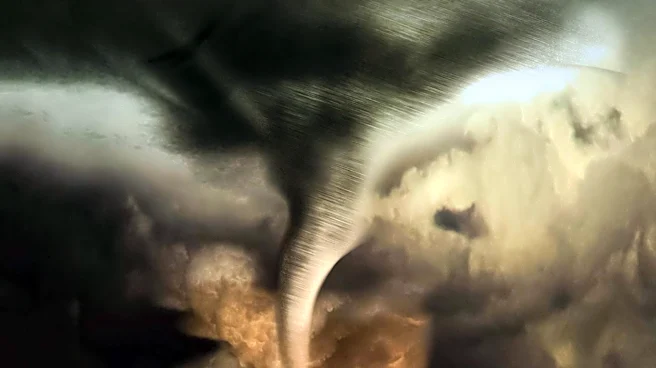
Google DeepMind, in collaboration with Google Research and several meteorological agencies, has developed the WeatherNext AI model, which significantly improves the accuracy of cyclone forecasting. Published in Nature, the model provides an additional
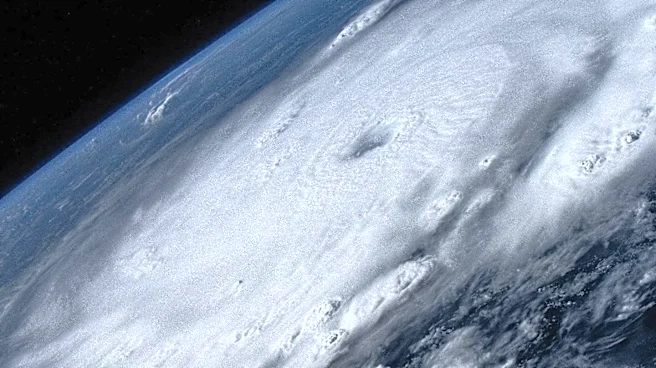
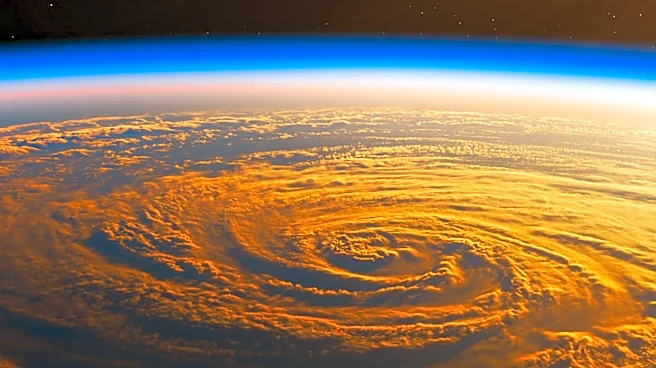
day's worth of predictive accuracy, equating to a decade's worth of meteorological progress. This advancement allows forecasters to better predict a cyclone's track, intensity, and wind structure. The model has already proven its effectiveness during the 2025 hurricane season by accurately forecasting Hurricane Melissa's rapid intensification and landfall in Jamaica, enabling timely warnings and preparations.
Why It's Important?
The development of the WeatherNext AI model represents a significant leap in meteorological science, potentially saving lives and reducing economic losses caused by cyclones. With over 700,000 deaths and $1.4 trillion in damages attributed to cyclones over the past 50 years, improved forecasting can provide critical lead time for communities to prepare and mitigate impacts. The open-sourcing of this technology aims to empower the global research community, enhancing resilience against natural disasters and supporting sectors like renewable energy by anticipating extreme weather conditions.
What's Next?
The open-sourcing of the WeatherNext model is expected to foster further research and development in weather forecasting technologies. As the model is adopted and refined by the global scientific community, it could lead to even more accurate and timely weather predictions. This collaboration between AI and meteorology may also inspire similar advancements in other areas of climate science, potentially influencing public policy and disaster preparedness strategies worldwide.
Beyond the Headlines
The integration of AI in meteorology highlights the growing intersection between technology and environmental science. This development raises questions about the ethical use of AI in critical sectors and the need for robust data governance to ensure accuracy and reliability. Additionally, as AI models become more prevalent, there may be shifts in how meteorological data is used in policy-making and emergency management, emphasizing the importance of interdisciplinary collaboration.