






What's Happening?
Recent research has highlighted a concerning mechanism by which chemotherapy, specifically cisplatin, may inadvertently promote the spread of high-grade serous ovarian cancer (HGSOC). The study reveals that cisplatin induces a state of cellular senescence,
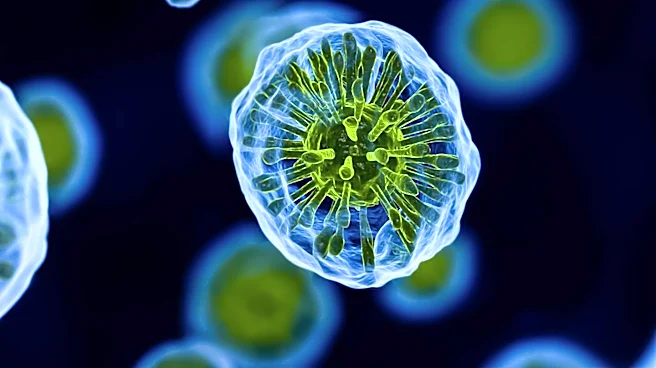
leading to the secretion of factors known as the senescence-associated secretory phenotype (SASP). This SASP facilitates the detachment and dissemination of cancer cells, contributing to metastasis. The research utilized RNA sequencing to identify senescence signatures in ovarian cancer cells post-chemotherapy, showing increased senescence in both malignant and stromal cells. The study further demonstrated that the SASP, particularly when induced by cisplatin, enhances the detachment of cancer cells, thereby promoting their spread within the body. This effect is mediated through metabolic reprogramming, specifically involving the metabolic component fructose, which was found to increase in the SASP and facilitate cell detachment.
Why It's Important?
This discovery is significant as it challenges the conventional understanding of chemotherapy's role in cancer treatment. While chemotherapy is designed to kill cancer cells, this study suggests it may also contribute to cancer spread through the induction of senescence and subsequent SASP production. This has profound implications for the treatment of HGSOC, a cancer type with a high recurrence rate and poor prognosis. Understanding the role of SASP in cancer dissemination could lead to new therapeutic strategies that mitigate these effects, potentially improving patient outcomes. Additionally, the identification of fructose as a key player in this process opens avenues for dietary interventions or metabolic therapies to counteract the adverse effects of chemotherapy-induced senescence.
What's Next?
Future research is likely to focus on developing strategies to inhibit the SASP or its components, such as fructose, to prevent cancer cell detachment and spread. Clinical trials may explore the efficacy of combining chemotherapy with agents that target the SASP or metabolic pathways involved in cell detachment. Additionally, there may be an increased interest in dietary modifications as a complementary approach to cancer treatment, particularly in reducing fructose intake. Researchers will also need to investigate whether similar mechanisms are at play in other cancer types treated with chemotherapy, potentially broadening the impact of these findings.
Beyond the Headlines
The study raises ethical and clinical questions about the use of chemotherapy in cancer treatment. While it remains a cornerstone of cancer therapy, the potential for chemotherapy to promote metastasis through senescence-induced mechanisms necessitates a reevaluation of treatment protocols. This could lead to a paradigm shift in how chemotherapy is administered, with a greater emphasis on personalized medicine and the integration of metabolic inhibitors. Furthermore, the findings highlight the complex interplay between cancer treatment and tumor biology, underscoring the need for a holistic approach to cancer care that considers both the direct and indirect effects of therapeutic interventions.