






What's Happening?
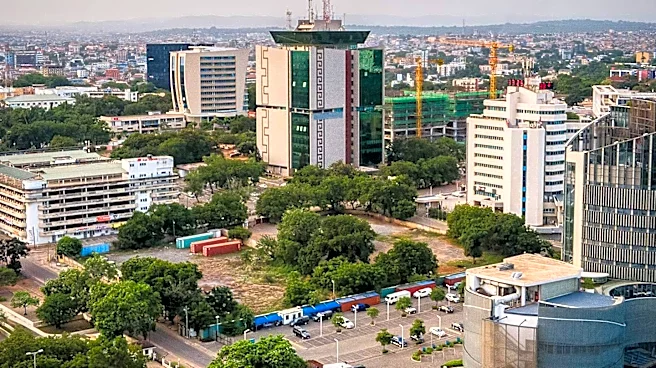
Ghana is reportedly nearing the completion of its external debt restructuring process, having finalized 16 out of 25 agreements with foreign government creditors. This progress was highlighted by the Global Sovereign Debt Roundtable (GSDR) on the sidelines
of the Annual IMF–World Bank Meetings in Bangkok, Thailand. The debt restructuring initiative began in December 2022, following Ghana's suspension of payments on selected external debts due to severe economic challenges. This restructuring was a crucial prerequisite for Ghana to secure a US$3 billion financial support program from the International Monetary Fund (IMF). Negotiations are ongoing with Ghana's remaining non-bonded commercial creditors, who now account for less than 5% of the total debt under restructuring. The bilateral agreements involve members of Ghana’s Official Creditor Committee (OCC), established on May 12, 2023, to coordinate the restructuring of its bilateral debt under the G20 Common Framework.
Why It's Important?
The successful completion of Ghana's debt restructuring is vital for its economic stability and future development. It demonstrates a commitment to fiscal responsibility, which can restore investor confidence and facilitate access to international capital markets. For the U.S. and other global economic stakeholders, Ghana's progress serves as a case study for managing sovereign debt crises, particularly in developing nations. The involvement of the IMF and the G20 Common Framework underscores the international community's role in supporting countries through financial distress. A stable Ghana contributes to regional stability in West Africa, which has broader implications for trade, security, and humanitarian efforts. Conversely, a prolonged or failed restructuring could lead to further economic hardship, potentially increasing migration pressures and reducing opportunities for U.S. businesses seeking to invest in the region. The reduction of private creditor debt to less than 5% also highlights a shift in the composition of Ghana's debt, potentially influencing future lending practices.
What's Next?
Ghana's immediate next steps involve concluding negotiations with the remaining non-bonded commercial creditors. The Global Sovereign Debt Roundtable's assessment indicates substantial advancement, with focus now on resolving these outstanding claims. The successful implementation of these agreements will pave the way for the full realization of the US$3 billion IMF program, which includes further disbursements beyond the initial US$600 million. The progress in Ghana, alongside other countries like Ethiopia, Zambia, Sri Lanka, and Suriname, suggests a growing momentum in sovereign debt restructuring efforts globally. This could lead to refined international frameworks and best practices for managing similar crises in the future, potentially influencing how the U.S. and other major economies engage with indebted nations.
Beyond the Headlines
The ongoing debt restructuring in Ghana highlights a broader global challenge of sovereign debt sustainability, particularly for developing economies. The shift in the composition of debt, with private creditors now holding a smaller share, could influence future lending strategies and risk assessments by international financial institutions and private lenders. This situation also brings to light the complexities of coordinating multiple creditors, including official bilateral lenders and diverse commercial entities, under frameworks like the G20 Common Framework. The success or challenges faced by Ghana could set precedents for how future debt crises are managed, potentially leading to reforms in international financial architecture. Furthermore, the economic stability achieved through such restructuring can have profound social impacts, enabling governments to allocate more resources to essential services like healthcare and education, thereby improving the quality of life for their citizens and fostering long-term development.