





What's Happening?
Members of the Mississippi Sound Coalition convened at Mississippi Gulf Coast Community College with U.S. Representatives Mike Ezell and Trent Kelly to advocate for the Northern Gulf Estuary Protection Act. This proposed legislation aims to compel the U.S. Army
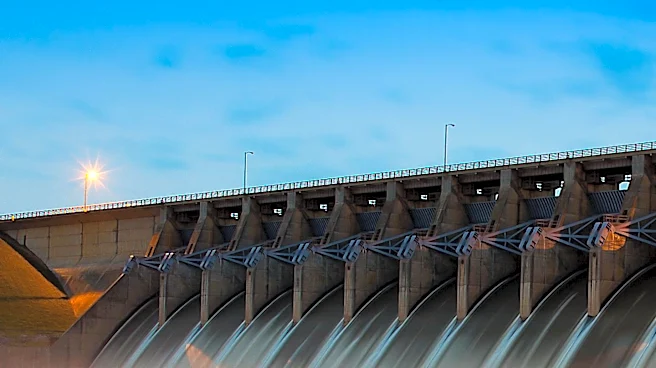
Corps of Engineers to adopt a more sustainable approach to managing Mississippi River flooding, rather than relying on emergency spillway openings. The Bonnet Carré Spillway, when opened, releases freshwater, sediment, and pollutants into the Mississippi Sound, adversely affecting local marine life and industries. The meeting included testimonies from stakeholders like Ryan Bradley, a fifth-generation oysterman, who highlighted the devastating impact of past spillway openings on the oyster industry. The Institute for Marine Mammal Studies reported significant wildlife casualties due to these events. The coalition seeks to modernize spillway operations to prevent environmental damage and protect local economies.
Why It's Important?
The repeated opening of the Bonnet Carré Spillway has had severe ecological and economic repercussions for the Mississippi Sound. The influx of freshwater and pollutants has disrupted marine ecosystems, leading to the death of dolphins, sea turtles, and a collapse in the oyster industry. This has not only affected biodiversity but also the livelihoods of local fishermen and related businesses. The proposed legislation could lead to more sustainable water management practices, potentially safeguarding the environment and revitalizing the local economy. The support from congressional representatives is crucial for advancing this legislative effort, which could set a precedent for environmental management in other regions facing similar challenges.
What's Next?
The next steps involve garnering further support for the Northern Gulf Estuary Protection Act within Congress. If passed, the legislation would mandate the U.S. Army Corps of Engineers to revise their flood management strategies, potentially leading to infrastructural changes in the Bonnet Carré and Morganza spillways. Stakeholders, including environmental groups and local businesses, are likely to continue lobbying for the bill, emphasizing the need for long-term solutions to protect the Mississippi Sound. The outcome of this legislative push could influence future environmental policy and management practices across the United States.