





What's Happening?
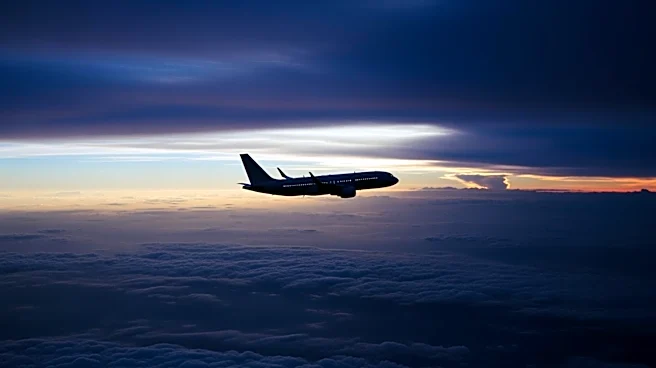
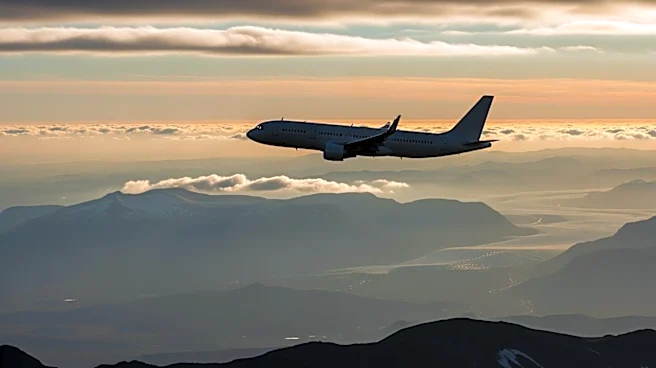
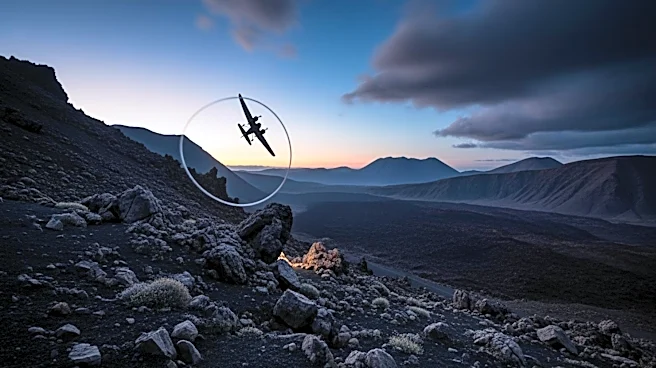
A veteran Icelandair pilot, Captain Ólafur Bragason, performed a low-altitude flyover of his hometown, Vestmannaeyjar, during his final flight, causing alarm among residents. The Boeing 757 flew approximately 330 feet above the scenic islands, a move
that was unauthorized by the airline. The incident, captured in footage, showed the aircraft flying dangerously low over trees and rooftops, leading some residents to fear a potential crash. Although no injuries occurred, Icelandair has expressed disapproval of the stunt, emphasizing that it deviated from standard aviation procedures. The airline has initiated an internal review and reported the incident to the police.
Why It's Important?
This incident highlights significant safety and procedural concerns within the aviation industry. Unauthorized maneuvers such as this can pose serious risks to both passengers and residents on the ground. The airline's response underscores the importance of adhering to strict aviation protocols to ensure safety. This event may prompt airlines to reinforce training and oversight to prevent similar occurrences. Additionally, it raises questions about the balance between personal gestures and professional responsibilities in aviation, potentially influencing future policies regarding pilot conduct during flights.
What's Next?
Icelandair is conducting an internal investigation to review the flight data, including the altitude during the flyover. The findings could lead to disciplinary actions against Captain Bragason and may result in policy changes to prevent similar incidents. The airline's report to the police suggests potential legal implications, which could further impact the pilot's career and the airline's reputation. Stakeholders, including aviation authorities, may also respond by tightening regulations around pilot conduct and celebratory flyovers.
Beyond the Headlines
This incident may have broader implications for the aviation industry, particularly concerning pilot autonomy and the enforcement of safety protocols. It highlights the potential for human error and the need for continuous monitoring and evaluation of pilot behavior. The cultural aspect of pilots marking their retirement with unique gestures may come under scrutiny, prompting discussions about acceptable practices. This could lead to a reevaluation of how airlines celebrate pilot retirements while maintaining safety and public trust.