








What's Happening?
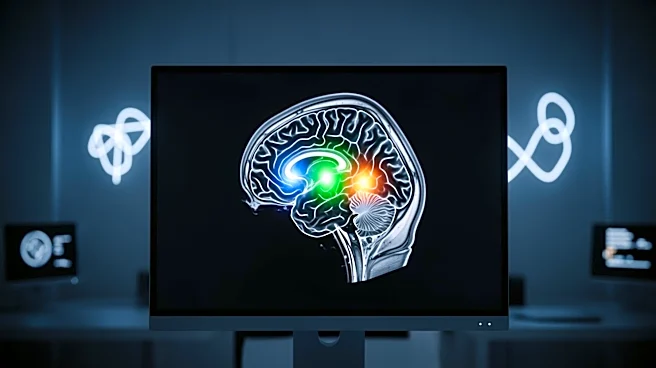
A new study has identified three distinct brain profiles in children with ADHD, using MRI data from nearly 1,900 participants across China, the United States, and other countries. Led by Nanfang Pan, M.D., from the West China Hospital of Sichuan University,
the research utilized morphometric similarity networks to map structural similarities across different brain regions. The study found that ADHD manifests in three configurations, each corresponding to existing DSM categories: inattentive, hyperactive-impulsive, and combined types. Notably, a severe form of ADHD was identified, characterized by deviations in 45 brain regions, particularly affecting emotional regulation. This subtype, termed 'emotional dysregulation ADHD,' aligns with serotonin, dopamine, acetylcholine, and histamine systems, suggesting a need for tailored treatment approaches.
Why It's Important?
This research is significant as it provides a biological basis for the diverse manifestations of ADHD, which has traditionally been diagnosed based on behavior alone. By identifying distinct brain profiles, the study offers a pathway to more personalized treatment strategies, potentially improving outcomes for patients. The findings suggest that current ADHD medications, primarily targeting dopamine, may not be effective for all patients, highlighting the need for alternative therapies. This could lead to the development of new drugs that address the specific neurochemical imbalances associated with each ADHD subtype.
What's Next?
The study's findings may prompt further research into the development of diagnostic tools that incorporate brain imaging to identify ADHD subtypes. Clinical trials could explore the efficacy of new medications targeting the specific neurochemical pathways identified in the study. Additionally, the research may influence the revision of diagnostic criteria for ADHD, incorporating biological markers alongside behavioral assessments to improve accuracy and treatment outcomes.