







What's Happening?
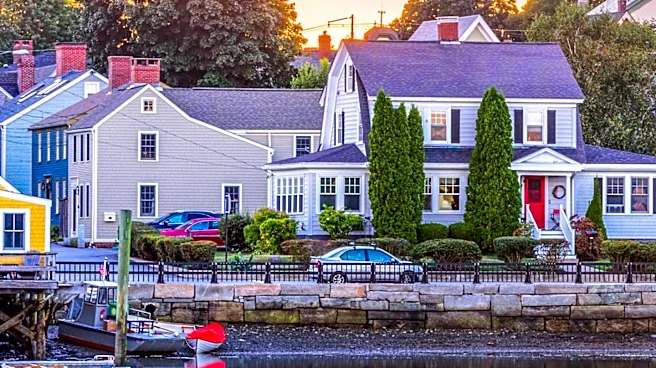
On Martha's Vineyard, an island off the coast of Massachusetts, individuals are paying up to $650,000 for 'beach keys.' These keys grant access to private beaches and come with ownership of a small, non-buildable sliver of beachfront property. This phenomenon
highlights a unique real estate market where the commodity is not square footage or ocean views, but exclusive access. The prices for these keys have seen a significant increase, with a key to Quansoo Beach selling for $475,000 last year, up from $200,000 in 2003. Another option at Hancock Beach recently sold for $650,000. These keys are often passed down through families, but a limited number become available for sale each year. The demand for these exclusive access points far outstrips the supply, driving up prices. For many wealthy buyers, the purchase is less about the physical beach and more about the privacy and exclusivity it affords, allowing them to avoid crowded public beaches and parking lots.
Why It's Important?
The escalating prices and demand for 'beach keys' on Martha's Vineyard underscore a growing trend of extreme wealth influencing access to natural resources and public spaces in the U.S. This situation reflects a broader societal issue where exclusive amenities become increasingly out of reach for the general public and even long-term residents. The market for these keys demonstrates how privacy and exclusivity have become highly valued commodities for the ultra-rich, willing to pay substantial sums for what amounts to controlled access. This trend can exacerbate social stratification, creating resentment among locals and those who cannot afford such luxuries. It also raises questions about the equitable distribution of natural resources and the impact of wealth on community dynamics, particularly in desirable coastal areas. The 'beach key' market illustrates a micro-economy driven by scarcity and the desire for private enclaves, setting a precedent for how wealth can shape access to recreational and natural spaces.
What's Next?
The demand for Martha's Vineyard 'beach keys' is expected to continue its upward trajectory due to limited supply and sustained interest from wealthy buyers seeking privacy and exclusivity. This trend will likely further inflate prices, making these keys even more inaccessible to the average person and local residents. The increasing exclusivity could intensify existing tensions between long-time residents and affluent seasonal visitors, potentially leading to more public discourse or local initiatives regarding beach access and property rights. Some beach associations may implement stricter rules or new key issuance policies to manage circulation and maintain order, as seen with Black Point's use of a warden and handyman. The ongoing rise in property values on the island, exemplified by a recent $43 million home sale, suggests that 'beach keys' will remain a relatively small but significant expense for elite buyers, further solidifying their status as a symbol of ultra-wealth.
Beyond the Headlines
The phenomenon of 'beach keys' on Martha's Vineyard delves into deeper ethical and cultural implications concerning the privatization of natural landscapes and the commodification of access. While these keys offer exclusive entry to private beaches, they also symbolize a growing divide where natural beauty and recreational opportunities become privileges rather than shared resources. The resentment expressed by locals and even some keyholders highlights a moral dilemma: should access to natural spaces be dictated by wealth, or should there be a more equitable approach? This situation reflects a broader shift in how society views and values land, moving from a communal or public good to a highly exclusive, privately owned commodity. It challenges the notion of 'public' access and raises questions about the long-term social and environmental consequences of such extreme privatization, potentially leading to a future where pristine natural areas are increasingly walled off from the majority.