


What's Happening?
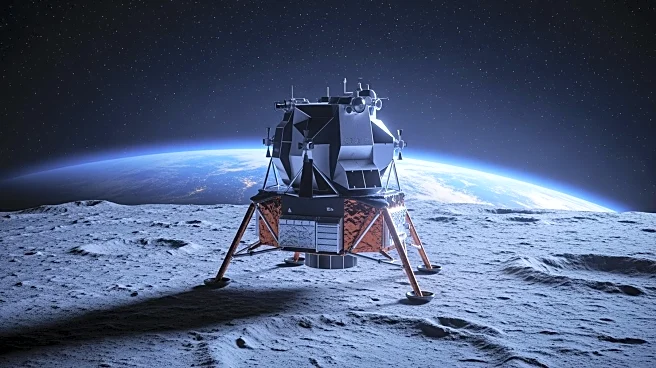
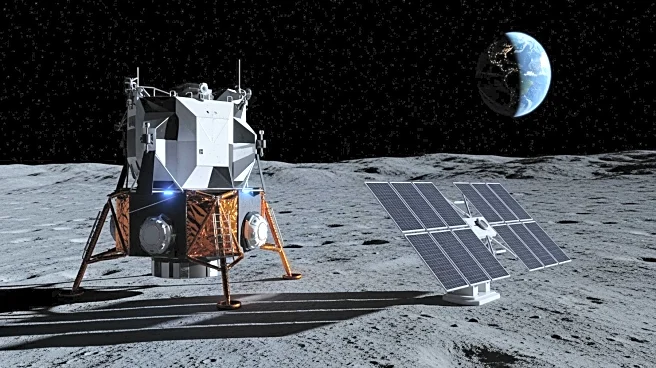
NASA has announced an acceleration of its Artemis program, aiming to increase the frequency of missions to the Moon. This initiative is part of a broader national objective to return American astronauts to the lunar surface and establish a sustainable
presence there. The agency plans to standardize vehicle configurations and add an additional mission in 2027, with at least one surface landing every year thereafter. The upcoming Artemis II mission is set to launch soon, followed by Artemis III in 2027, which will test systems in low Earth orbit in preparation for a 2028 lunar landing. NASA is collaborating with commercial partners like SpaceX and Blue Origin to conduct in-space tests and integrate new technologies, including Extravehicular Activity (xEVA) suits. The agency is also focusing on rebuilding core competencies within its workforce to support this accelerated schedule.
Why It's Important?
The acceleration of the Artemis program is significant for several reasons. It represents a strategic move to reassert U.S. leadership in space exploration amid growing competition from other nations. By increasing the frequency of lunar missions, NASA aims to foster technological advancements and stimulate economic growth through partnerships with private companies. This initiative could lead to new scientific discoveries and innovations in space technology, benefiting various industries. Additionally, establishing a permanent presence on the Moon could serve as a stepping stone for future missions to Mars and beyond, potentially opening new frontiers for human exploration.
What's Next?
NASA's next steps involve finalizing the details of the Artemis III mission and ensuring the readiness of the Artemis II hardware for its upcoming launch. The agency will continue to work closely with its commercial partners to align efforts and achieve the program's objectives. As the Artemis missions progress, NASA will likely face challenges related to funding, technology development, and international collaboration. However, the agency's commitment to a regular cadence of lunar missions suggests a long-term vision for sustained exploration and potential colonization of the Moon.