





What's Happening?
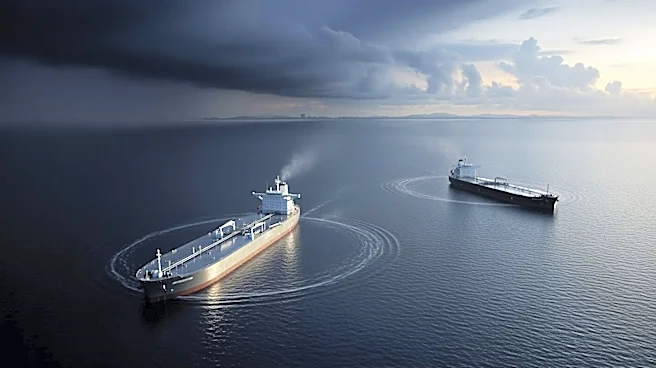
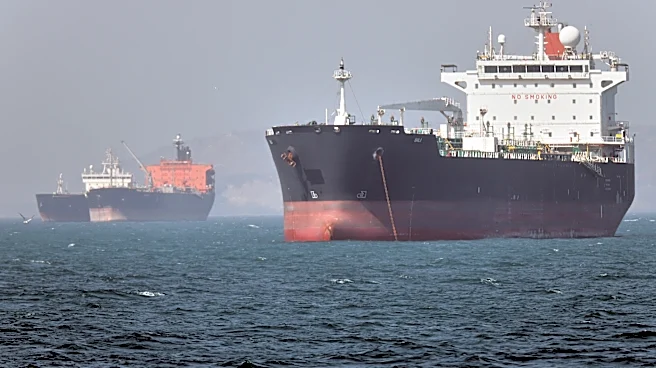
The U.S. military executed airstrikes on several empty tankers attempting to breach a blockade on Iran, as reported by a Fox News correspondent. This action coincided with the United Arab Emirates (UAE) intercepting Iranian missiles and drones, resulting
in moderate injuries to three individuals. These developments occurred despite an existing ceasefire and followed exchanges of fire near the Strait of Hormuz. Iran's Foreign Minister, Abbas Araghchi, criticized the U.S. for opting for military escalation over diplomatic solutions. In response, Iran's navy seized a Barbados-flagged tanker, OCEAN KOI, in the Gulf of Oman, claiming it was disrupting Iran's oil exports. The tanker, under U.S. sanctions since February, was escorted to Iran's coast.
Why It's Important?
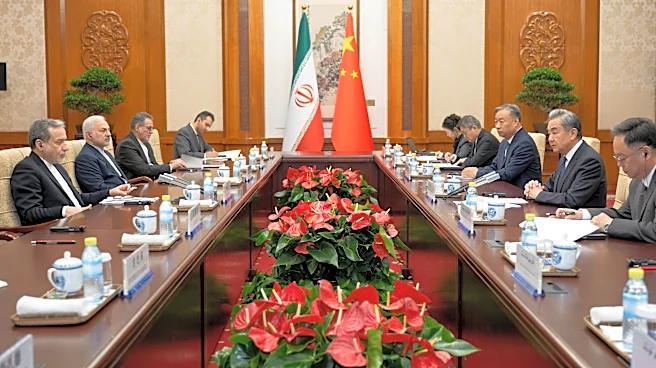
The escalation in military actions between the U.S. and Iran highlights the fragility of the ceasefire and the potential for further conflict in a region critical to global energy supplies. The Strait of Hormuz is a vital waterway for oil and gas shipments, and disruptions could lead to significant impacts on global oil prices and economic stability. The U.S. and its Gulf allies are pushing for a U.N. resolution to condemn Iran's actions, but previous efforts have been blocked by Iran's allies, Russia and China. The situation underscores the geopolitical complexities and the challenges in achieving a diplomatic resolution.
What's Next?
The U.S. awaits a response from Iran regarding diplomatic discussions aimed at ending the conflict. U.S. Secretary of State Marco Rubio expressed hope for a serious offer from Iran. The international community, particularly the U.N. Security Council, may face increased pressure to address the situation. The potential for further military engagements remains high, with both sides showing readiness to defend their interests. The outcome of these diplomatic efforts will be crucial in determining the future stability of the region.