
What's Happening?
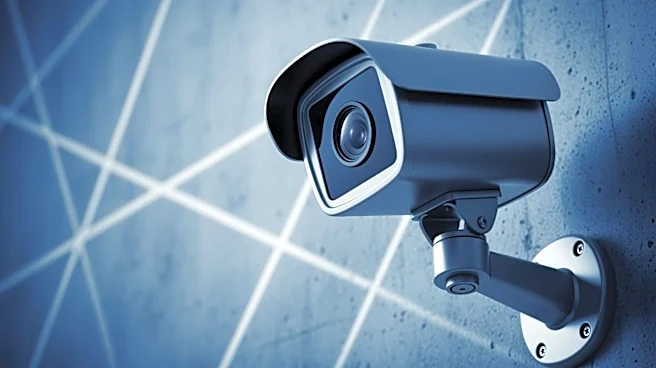
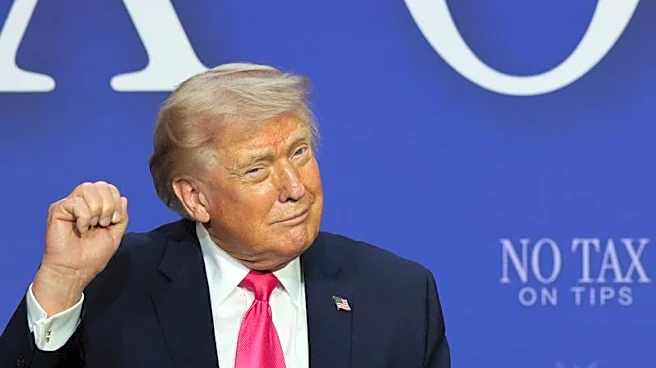
President Trump has signed a bill that extends controversial surveillance powers under the Foreign Intelligence Surveillance Act (FISA) until April 30. This extension allows U.S. spy agencies to continue
their surveillance activities, which have been a point of contention among lawmakers and civil rights groups. The bill's passage comes amid ongoing debates over privacy and national security, with some arguing that these powers are necessary to protect the country from foreign threats, while others express concerns about potential overreach and infringement on civil liberties.
Why It's Important?
The extension of FISA surveillance powers is significant as it highlights the ongoing tension between national security and individual privacy rights in the U.S. The decision impacts how intelligence agencies operate and their ability to monitor communications for potential threats. Civil liberties advocates argue that such powers can lead to abuses and unwarranted surveillance of American citizens. The outcome of this extension could influence future legislative actions and public opinion on privacy and government oversight.
What's Next?
As the new deadline approaches, Congress will likely revisit the debate over FISA powers, potentially leading to further legislative action. Stakeholders, including civil rights organizations and intelligence agencies, are expected to lobby for their respective positions. The outcome could result in either a further extension, modifications to the existing powers, or a push for more stringent oversight mechanisms to balance security needs with privacy concerns.