





What's Happening?
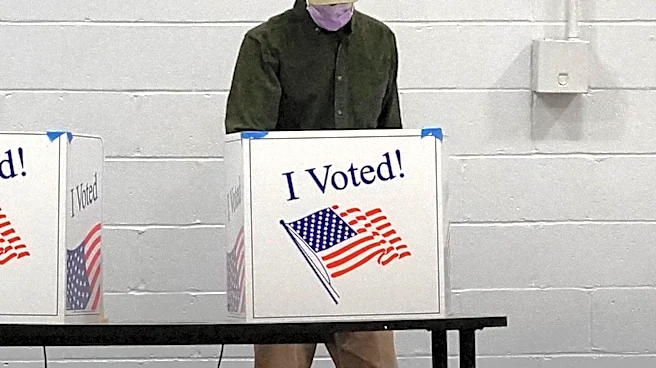
A new report from the Civics Center, a national nonpartisan nonprofit, suggests that low voter turnout among young people in Pennsylvania is primarily due to registration hurdles rather than apathy. The study indicates that registered 18-year-olds in the state
vote at rates comparable to registered voters aged 45 to 79 in major elections. Laura Brill, founder of the Civics Center, stated that this data helps to debunk the myth of youth apathy, emphasizing that the main challenge lies in getting young people registered and helping them understand the importance of participating in the democratic process. The organization aims to embed voter registration into high school culture, empowering students to see themselves as active participants in democracy. Beyond registration, other barriers to participation include disillusionment, where young people may feel their individual vote has little impact, and psychological factors such as informational, motivational, and self-regulatory barriers, which can be particularly significant during adolescence and emerging adulthood as individuals develop their values and identities.
Why It's Important?
This report is important because it shifts the narrative surrounding youth voter engagement in the U.S., particularly in a swing state like Pennsylvania. By identifying registration as a primary barrier, it highlights a tangible area for intervention that could significantly increase youth participation in elections. Increased youth voter turnout could have substantial implications for election outcomes, potentially influencing policy decisions on issues that resonate with younger demographics, such as climate change, education, and social justice. For political campaigns and civic organizations, the findings suggest a need to re-evaluate strategies, moving beyond efforts to combat perceived apathy and focusing instead on practical solutions for voter registration and education. Addressing these barriers could foster a more representative electorate and strengthen democratic processes by ensuring a broader range of voices are heard. Furthermore, understanding the psychological factors at play can inform more effective civic education programs that connect participation to personal values and community issues, making engagement more meaningful for young individuals.
What's Next?
Following the Civics Center's findings, there will likely be increased calls for initiatives aimed at simplifying voter registration for high school students in Pennsylvania and potentially nationwide. Educational institutions and civic organizations may enhance their efforts to integrate voter registration drives into school curricula and extracurricular activities. Political campaigns and parties might also adjust their outreach strategies to focus more on registration efforts and less on overcoming perceived apathy among young voters. There could also be a push for more comprehensive civic education programs that address the psychological and social factors influencing youth engagement, such as connecting civic participation to personal values and community issues. The report's insights could lead to policy discussions on state-level reforms to voter registration processes, making them more accessible for young adults. Continued monitoring of youth voter registration and turnout rates will be crucial to assess the effectiveness of these potential interventions and to further refine strategies for fostering long-term civic engagement.
Beyond the Headlines
The report's implications extend beyond immediate voter turnout, touching upon the fundamental health of American democracy. By debunking the myth of youth apathy, it challenges a societal assumption that can inadvertently disempower young people and discourage investment in their civic development. This shift in understanding could lead to a re-evaluation of how society views and engages with its youngest citizens, recognizing their potential as active democratic agents rather than passive observers. Ethically, it underscores the responsibility of educational systems and government bodies to remove structural barriers to participation, ensuring equitable access to the democratic process for all eligible citizens, regardless of age. Culturally, fostering early civic engagement can instill a lifelong habit of participation, strengthening community bonds and promoting a more informed and active citizenry. In the long term, a more engaged youth demographic could lead to a political landscape that is more responsive to future-oriented issues, potentially driving innovation and progress on critical societal challenges.