







What's Happening?
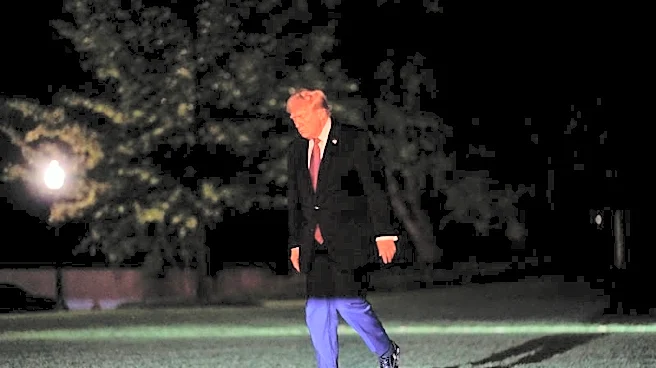
Negotiations between Iran and the United States have made some progress, but significant challenges remain, particularly concerning the Strait of Hormuz and Iran's nuclear program. Iran's President Masoud Pezeshkian has criticized U.S. President Donald
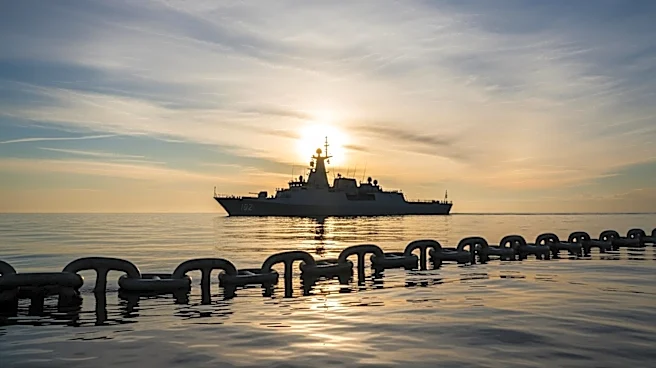
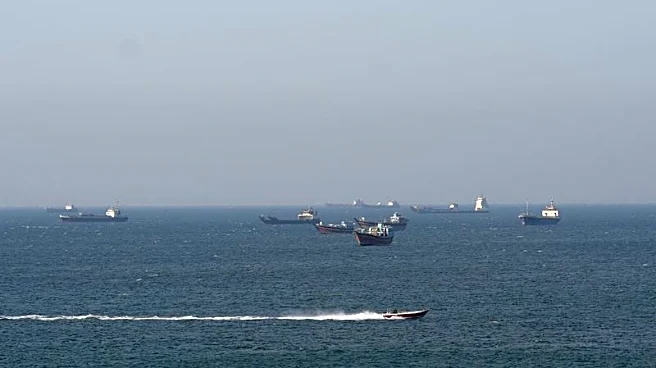
Trump for attempting to deprive Iran of its nuclear rights. The Iranian Revolutionary Guard Corps has reimposed restrictions on the Strait of Hormuz, citing the U.S. naval blockade as a provocation. Iran's parliament speaker, Mohammad Bagher Ghalibaf, emphasized that Tehran is prepared for potential hostilities if the U.S. resumes aggressive actions. The situation is tense as the ceasefire is set to expire soon.
Why It's Important?
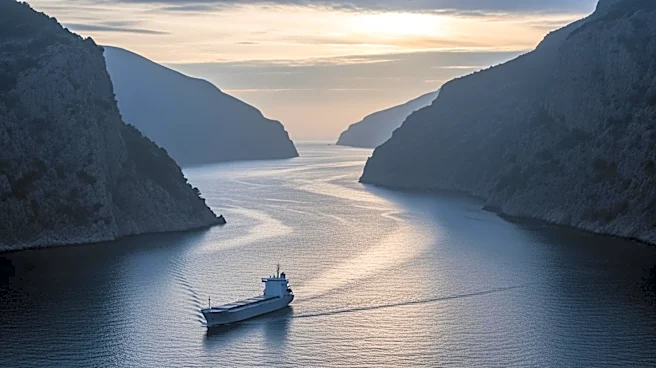
The Strait of Hormuz is a critical artery for global oil trade, and its closure could disrupt international markets and economies. The ongoing impasse underscores the broader geopolitical tensions between Iran and the U.S., with potential implications for regional stability and global energy security. The negotiations are crucial for preventing further escalation and finding a diplomatic solution to the nuclear standoff. The outcome could influence U.S. foreign policy and its relations with allies and adversaries in the Middle East.
What's Next?
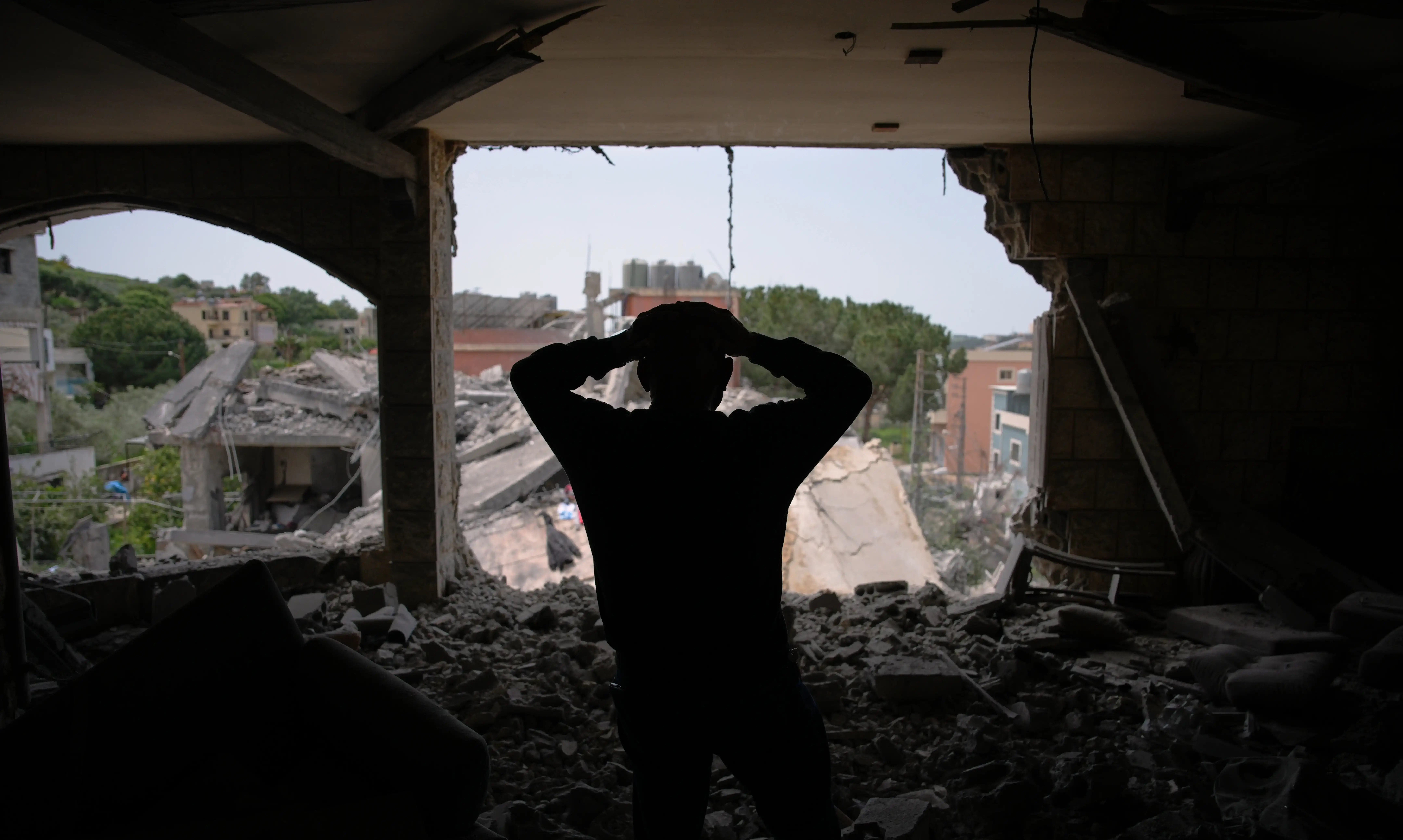
With the ceasefire nearing its end, the risk of renewed conflict is high. Both sides may seek to continue negotiations to avoid escalation, but the lack of trust and unresolved issues present significant hurdles. The international community, including mediators like Pakistan, may need to intensify efforts to facilitate dialogue. The U.S. has indicated a readiness to increase pressure on Iran, which could affect the dynamics of the negotiations. The situation remains volatile, with potential for both diplomatic progress and military confrontation.