




What's Happening?
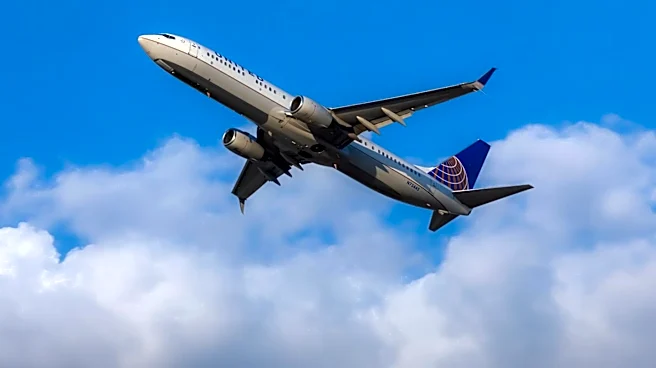
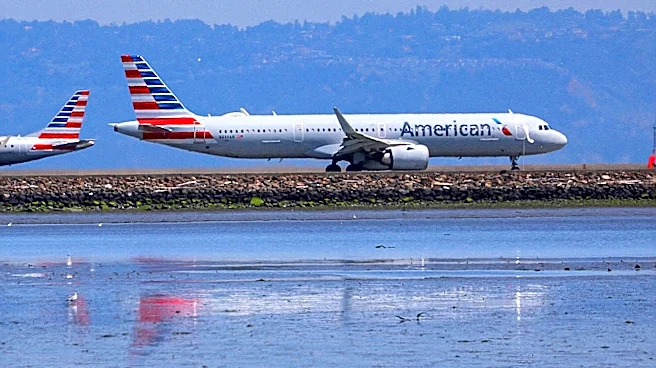
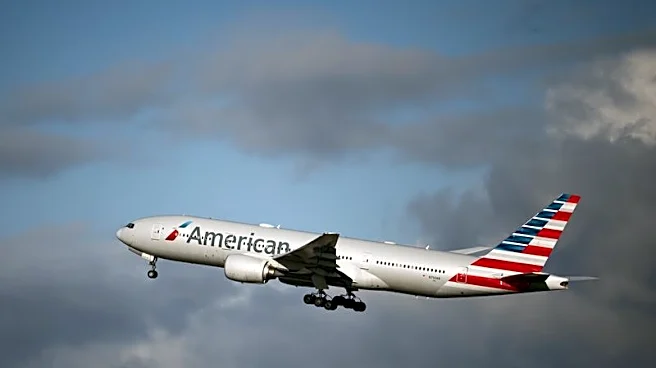
An American Airlines flight, American Airlines Flight 392, a Boeing 737-800 bound for Chicago O'Hare International Airport, aborted its takeoff at LaGuardia Airport (LGA) on Thursday morning. The pilots reported an apparent bird strike while the plane
was still on the ground and traveling at nearly 140 mph. Following the incident, the Federal Aviation Administration (FAA) briefly issued a ground stop at LGA. However, American Airlines later clarified that the reported bird strike was a false alarm, as subsequent inspections found no evidence of a bird strike. The aircraft was cleared and has since returned to service.
Why It's Important?
This incident highlights the critical safety protocols and rapid response mechanisms in place at U.S. airports and within airlines. The decision by the pilots to abort takeoff at a high speed demonstrates adherence to safety procedures, prioritizing passenger and crew well-being even in the face of an unconfirmed threat. The FAA's immediate ground stop at LGA underscores the seriousness with which potential aviation hazards, like bird strikes, are treated, ensuring that all necessary checks and safety measures are implemented before normal operations resume. While ultimately a false alarm, the event serves as a reminder of the constant vigilance required in air travel and the effectiveness of established safety systems in mitigating potential risks, preventing what could have been a more severe incident.
What's Next?
The FAA will conduct an investigation into the incident, as is standard procedure for any aborted takeoff or reported safety concern. This investigation will likely review air traffic control communications, pilot reports, and maintenance logs to understand why the bird strike was initially reported and subsequently deemed a false alarm. American Airlines will also review its internal procedures and the crew's actions to ensure compliance with all safety protocols. For passengers, such incidents can cause delays and anxiety, but the swift resolution and the aircraft's return to service demonstrate the resilience of air travel operations. The event will contribute to ongoing data collection and analysis aimed at enhancing aviation safety measures.
Beyond the Headlines
Beyond the immediate operational aspects, this event subtly underscores the psychological pressures on pilots and air traffic controllers to make rapid, high-stakes decisions based on real-time information, which can sometimes be incomplete or misleading. The 'false alarm' aspect, while reassuring, also points to the inherent challenges in distinguishing genuine threats from perceived ones in a dynamic environment. It also highlights the sophisticated engineering of modern aircraft, which are designed to withstand and recover from such high-speed aborts without significant damage. This incident, though minor in its outcome, contributes to the continuous learning and refinement of aviation safety protocols, ensuring that the systems in place are robust enough to handle both real and perceived threats effectively.