






What's Happening?
A new study conducted by researchers at Harvard T.H. Chan School of Public Health, Boston Children's Hospital, and Harvard Pilgrim Health Care Institute indicates that infants born to mothers who followed a Mediterranean-style diet during pregnancy had
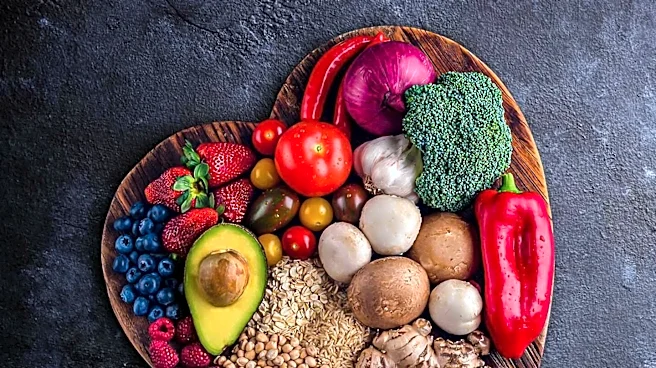
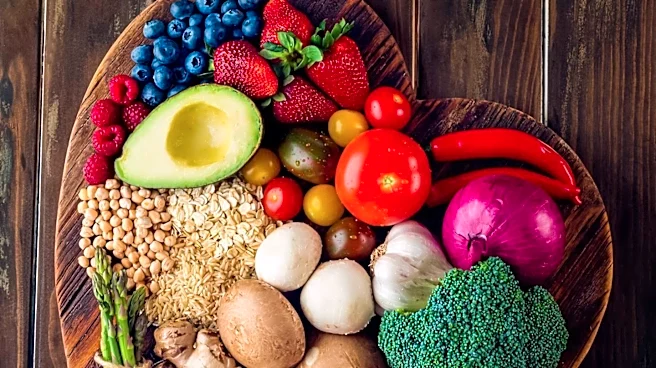
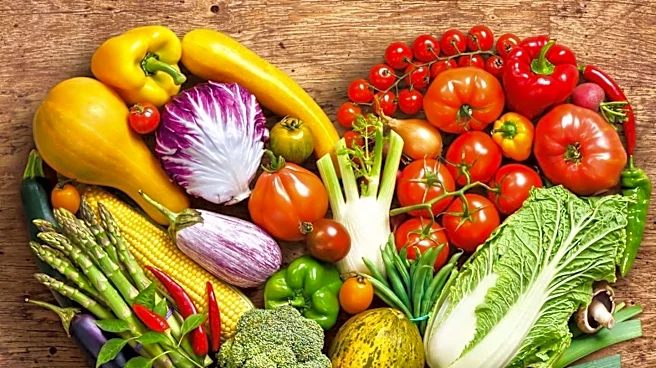
a lower risk of developing colic and eczema. The study, which will be published in JAMA Network Open, also found that regular consumption of seafood by pregnant women contributed to a reduced risk of these conditions in their infants. The research involved over 1,300 pregnant women recruited into the Project Viva study between April 1999 and November 2002 from prenatal clinics in Eastern Massachusetts. Participants completed food questionnaires, which were then scored based on the Mediterranean Diet Score (MDS) and the Dietary Inflammation Index (DII). A higher MDS score, reflecting a diet rich in fruits, vegetables, whole grains, legumes, healthy fats, and moderate dairy and lean proteins, was associated with a 15% reduction in the risk of infants having both colic and eczema. Conversely, a higher DII score, indicating a less healthy diet with more red or processed meats, sugar-sweetened beverages, sodium, and refined grains, was linked to a 34% higher risk. The study also highlighted that for each weekly serving of seafood consumed by pregnant women, their infants had a 25% lower chance of experiencing both colic and eczema. These associations were particularly strong among infants whose mothers had a history of allergic conditions.
Why It's Important?
This study provides significant insights into the potential long-term health benefits of maternal diet during pregnancy, extending beyond the immediate health of the mother to the infant's susceptibility to common conditions like colic and eczema. The findings suggest that dietary interventions during pregnancy could serve as a preventative measure against these early childhood ailments, which are often associated with later-life allergic conditions such as asthma, seasonal rhinitis, and food allergies. By identifying specific dietary patterns and food groups, such as the Mediterranean diet and seafood, that can mitigate these risks, the research offers actionable guidance for healthcare providers and pregnant individuals. This information is crucial for public health initiatives, potentially influencing dietary recommendations and support programs like WIC and SNAP, as well as 'food is medicine' initiatives, to promote healthier eating habits among pregnant women. The emphasis on accessible and affordable healthy nutrition, particularly seafood, underscores the importance of addressing financial and structural barriers to ensure equitable access to beneficial dietary choices for all mothers.
What's Next?
The findings of this study are expected to inform and potentially reshape dietary guidelines for pregnant women, with a greater emphasis on the Mediterranean diet and seafood consumption. Healthcare providers may increasingly counsel expectant mothers on these specific dietary patterns as a preventative strategy for infant colic and eczema. Further research could explore the underlying biological mechanisms through which these dietary components exert their protective effects, potentially leading to more targeted nutritional interventions. Additionally, the study's implications may prompt policy discussions on how to make healthy, Mediterranean-style foods, including seafood, more accessible and affordable for all pregnant women, particularly those in underserved communities. This could involve expanding existing federal nutrition programs or developing new initiatives to support maternal and infant health through diet. The long-term impact of these dietary recommendations on the prevalence of allergic conditions in children will likely be a subject of ongoing observation and study.
Beyond the Headlines
The study's findings delve into the intricate connection between maternal nutrition and infant health, highlighting a deeper understanding of how prenatal environmental factors, specifically diet, can program an infant's immune system and overall health trajectory. The link between a Mediterranean diet and reduced inflammation, as well as the role of seafood, suggests that the anti-inflammatory properties and specific nutrients (like omega-3 fatty acids) found in these foods may play a critical role in modulating the infant's developing immune response. This research also subtly reinforces the concept of 'developmental origins of health and disease,' where early life exposures significantly influence later health outcomes. Furthermore, the study's call to address financial and structural barriers to healthy nutrition touches upon broader societal issues of food insecurity and health equity. Ensuring that all pregnant women have access to nutrient-rich foods is not just a matter of individual choice but a public health imperative with far-reaching implications for reducing the burden of chronic diseases in future generations.