
What's Happening?
Gayle King, a well-known journalist and TV presenter, recently expressed her dissatisfaction with United Airlines after discovering that her business class seat on a flight from Maui to Newark lacked a window.
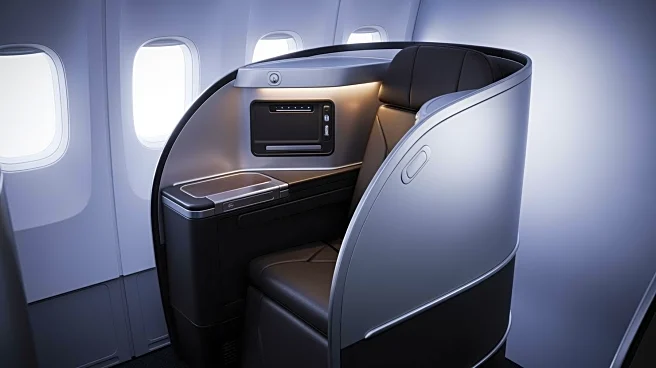
King, who flew on January 3, 2026, in United's Polaris business class, shared her frustration on Instagram, highlighting that despite selecting a window seat, there was no actual window beside her. The flight, operated by a Boeing 767-300ER, was a nine-hour journey. King noted that even the flight attendant acknowledged the absence of a window, suggesting she file a complaint. This incident has sparked discussions about the transparency of airline seating arrangements, especially in premium cabins.
Why It's Important?
This incident underscores the importance of transparency in airline seating arrangements, particularly for premium passengers who expect certain amenities. The lack of a window in a designated window seat can affect customer satisfaction and brand perception, especially when shared by high-profile individuals like Gayle King. United Airlines, which has faced similar complaints in the past, may need to address these issues to maintain customer trust and avoid potential legal challenges. The situation also highlights the need for passengers to verify seating arrangements through available resources to avoid such disappointments.
What's Next?
United Airlines may need to review its seating policies and improve communication with passengers regarding seat features. The airline could face increased scrutiny from both customers and consumer rights groups, potentially leading to policy changes or enhancements in customer service. Additionally, this incident might prompt other airlines to reassess their seating transparency to prevent similar public relations challenges.
Beyond the Headlines
The broader implications of this incident touch on consumer rights and the expectations of transparency in service industries. As airlines continue to market premium experiences, ensuring that advertised features match reality is crucial. This situation also reflects the growing influence of social media in shaping public perception and holding companies accountable for customer experiences.