




What's Happening?
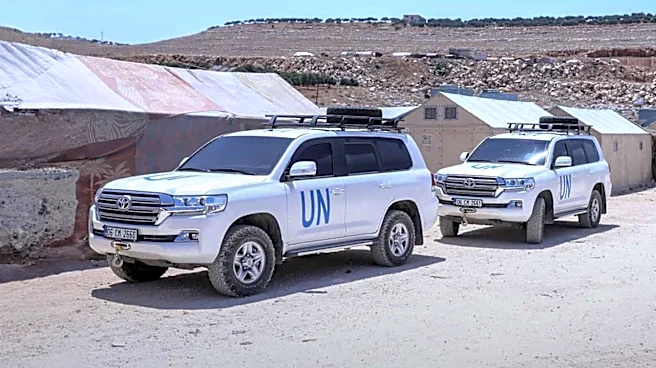
In Tambura, Western Equatoria state, South Sudan, women from previously divided communities are actively rebuilding trust and fostering peace through regular coffee gatherings supported by the United Nations Mission in South Sudan (UNMISS). These gatherings are helping
to dismantle long-standing ethnic tensions and communal fighting that once made movement between displacement camps dangerous. Christine Dominic, a displaced woman, recounted the fear of abduction when crossing to other areas, a fear now diminishing due to these interactions. Aidah Kazima, a local women's leader, noted the initial deep suspicion, with participants fearing poisoned food, but emphasized the determination to prevent renewed violence by expanding conversations beyond Tambura Centre to include representatives from various displacement camps. Njoki Rahab Kinyajui, Head of the UN Peacekeeping mission’s Field Office in Western Equatoria’s capital, Yambio, highlighted this as a model of grassroots peacemaking.
Why It's Important?
This grassroots initiative in South Sudan is crucial for fostering stability and reconciliation in a region frequently affected by conflict and displacement. The success of these women-led efforts demonstrates the power of community-driven solutions in post-conflict environments. By taking ownership of peacebuilding, these women are creating a sustainable model that reduces reliance on external interventions and promotes internal resilience. The rebuilding of trust at a local level can prevent the resurgence of violence and create a more cohesive society, which is vital for long-term development and humanitarian stability. This approach also empowers women, recognizing their critical role in social healing and community leadership, which can have broader positive impacts on gender equality and social structures.
What's Next?
The UNMISS aims to replicate this model of community-led peacemaking in other areas, supporting and strengthening similar initiatives. The women involved are determined to expand their conversations and bring more representatives from different displacement camps together, indicating a sustained effort to broaden the impact of their peacebuilding activities. Continued support from organizations like UNMISS will be essential to ensure the longevity and expansion of these efforts. The focus on local ownership suggests that future steps will involve empowering more communities to initiate and manage their own reconciliation processes, potentially leading to a more widespread and durable peace across South Sudan.
Beyond the Headlines
The initiative highlights the profound psychological and social barriers that conflict creates, such as deep-seated fear and suspicion, and how simple, consistent human interaction can gradually overcome them. The act of sharing coffee, a common social ritual, becomes a powerful symbol of reconciliation and the re-establishment of normalcy. This approach underscores the idea that peace is not merely the absence of war but the active cultivation of trust and understanding among people. It also subtly challenges traditional top-down peace processes by demonstrating the effectiveness of bottom-up, community-led efforts, particularly those driven by women who often bear the brunt of conflict's impact and possess unique insights into community healing.